
The Importance of Primer for Exterior Painting Projects
- Aug 19, 2025
- 4 min read
When it comes to exterior painting, homeowners often overlook the crucial step of applying primer. Primer is an essential component of the painting process that ensures your paint bonds properly to the surface, enhances the longevity of your paint job, and contributes to a more polished final look. In this post, we’ll discuss the importance of primer for various surfaces including wood, metal, brick, and previously painted areas, helping you understand why skipping this step can lead to unsatisfactory results.
What is Primer?
Primer is a preparatory coating applied before painting. Its primary purpose is to create a uniform surface that allows the paint to adhere better. It also seals the surface, enhancing paint durability and resistance to peeling, chipping, and fading.
Using primer can significantly improve the overall quality of your paint job. It can reduce the number of coats of paint needed, saving you time and money in the long run. But not all primers are created equal, and the type you select depends on the surface you are working with.
The Role of Primer on Different Surfaces
Wood Surfaces
When painting wood exteriors, primer plays a vital role in sealing the porous surface.
Wood can absorb paint unevenly, leading to an inconsistent finish. A specialized wood primer will penetrate the surface, block stains, and prevent the wood from soaking up too much paint.
Using a high-quality wood primer can also prevent knots in the wood from bleeding through your final coat of paint, ensuring a clean and uniform appearance.

Metal Surfaces
Metal surfaces, such as doors, railings, or panels, require special attention due to their potential to rust.
A metal primer typically contains anti-corrosive properties that protect against oxidation, ensuring the longevity of your paint job. These primers create a barrier that prevents moisture from reaching the metal surface, which is especially important in humid or rainy climates.
Choosing the right metal primer will also enhance the adhesion of the paint, leading to a more durable finish.

Brick and Masonry Surfaces
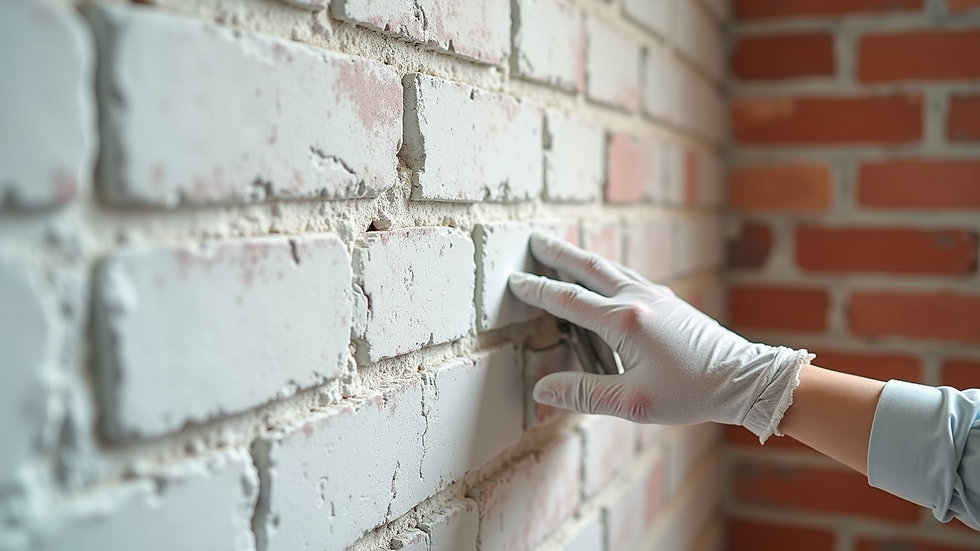
Brick and masonry surfaces are notoriously difficult to paint due to their porous nature.
Using a concrete or masonry primer is essential for these surfaces as it creates a barrier that prevents moisture from penetrating the paint layer. This is crucial because moisture trapped in the wall can lead to problems such as peeling and mold growth.
Additionally, a good masonry primer will help to fill in any small gaps or imperfections, providing a smoother surface for the paint to adhere to.
Previously Painted Surfaces
When it comes to repainting, applying primer can be equally important.
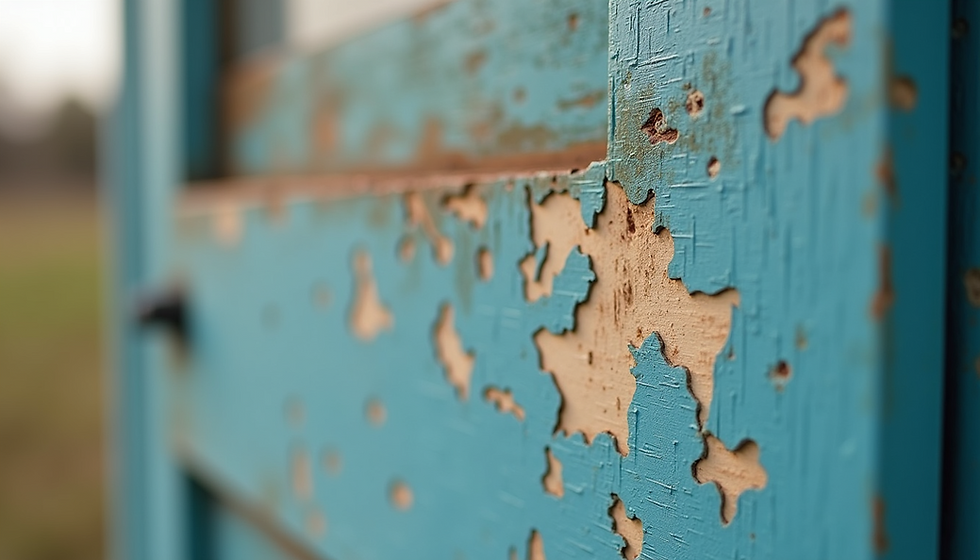
If you’re working with previously painted surfaces, you may encounter issues such as peeling paint, discoloration, or a surface that’s been damaged by the elements. In these cases, using a bonding primer can help to ensure the new paint adheres properly to the old paint.
Bonding primers are designed to stick to surfaces that might otherwise be challenging for regular paint to adhere to, resulting in a smoother finish and more durable paint job.
Why Primer Matters
Enhances Adhesion
The primary role of primer is to enhance paint adhesion. This is important because without good adhesion, even the highest quality paint can peel, chip, or fade prematurely.
A proper primer allows the paint to adhere more effectively to the surface, providing a stable foundation for the topcoat.
Prevents Stains and Discoloration
Certain surfaces, especially wood and masonry, can have natural oils, tannins, or stains that can bleed through the paint.
Using a good primer blocks these stains and helps to maintain the integrity of your final color. This is particularly important when painting over darker colors with lighter paint.
Promotes Even Finish
A primer ensures a more even finish, preventing uneven absorption of paint. This is particularly crucial for porous surfaces that can result in a blotchy look if not properly primed.
When surfaces absorb paint inconsistently, you can end up needing multiple coats to achieve a uniform color. Primer mitigates this issue and can often reduce the number of coats needed.
Cost-Effectiveness
While applying primer may seem like an extra step that adds to the overall cost of your painting project, it can be cost-effective in the long run.
By ensuring a solid foundation for your paint, primer can prolong the lifespan of your exterior paint job. This means less frequent repainting and, ultimately, savings on materials and labor over time.
Choosing the Right Primer
Types of Primer
Different surfaces require different types of primer, so it’s essential to select the appropriate product for your specific project.
Oil-based Primers: These are excellent for blocking stains and odors. They work well on wood and are often used for exterior metal surfaces. However, they take longer to dry and require mineral spirits for cleanup.
Water-based Primers: Ideal for most surfaces, these are easy to clean and quick-drying. They are perfect for interior applications but also work great on exteriors, especially for previously painted surfaces.
Shellac Primers: These are known for their exceptional stain-blocking properties and quick drying time. They can be used on a variety of surfaces, including wood and metal.
Masonry Primers: Specifically formulated for use on brick and concrete surfaces, these primers help to seal the porous nature of masonry materials, which minimizes moisture absorption.
Application Tips
When applying primer, follow these best practices to ensure optimal results:
Prepare the Surface: Clean, scrape, and sand the surface to remove old paint, rust, or any debris that could affect adhesion.
Follow Manufacturer Instructions: Different primers have specific application methods, drying times, and requirements. Always read the label before use.
Use Quality Tools: Invest in good brushes or rollers designed for primer application. Proper tools can make a significant difference in the efficiency and quality of your work.
Consider the Weather: Extreme temperatures and humidity levels can affect the drying process of both primer and paint. Be sure to choose a day with favorable weather conditions for your project.
Conclusion
In summary, primer plays an indispensable role in any exterior painting project. It not only ensures better adhesion and durability of your paint but also enhances the overall appearance of the finished product.
Whether you're working with wood, metal, brick, or previously painted surfaces, taking the time to use the appropriate primer will contribute to a more successful painting endeavor.
Investing in the right primer and following proper application techniques can lead to significant improvements in aesthetics and longevity for your home’s exterior. So don’t overlook this vital step—your future self (and your house) will thank you!


Comments