
Limewash and Moisture: What Happens When It Rains?
Limewash is a classic choice for homeowners wanting to add a rustic look to their properties. This traditional finish, made from slaked lime and water, is not just beautiful but also eco-friendly. Have you ever wondered how limewash holds up in the rain? Understanding its relationship with moisture is essential for anyone considering this charming finish.
In this article, we’ll highlight the properties of limewash, its interaction with moisture, and why it’s a popular choice for homeowners in different climates, especially in regions known for heavy rainfall.
What is Limewash?
Limewash consists of limestone, water, and natural pigments that create a soft, matte finish. When dried, it beautifully interacts with light, adding depth to the surfaces it covers. It is mostly used on masonry surfaces like brick and stone and has a long history due to its numerous benefits.
A key characteristic of limewash is its porous nature, allowing it to absorb and release moisture. This quality proves advantageous across varied climates, especially in areas with high humidity, allowing walls to stay healthy and dry.

The Benefits of Limewash in Moist Climates
Breathability
A significant advantage of limewash is its breathability. Unlike standard paints, which can trap moisture, limewash allows walls to breathe. It absorbs excess moisture during rainy spells, which helps prevent problems like peeling paint or mold growth.
This breathability is crucial for homes in humid regions. For instance, homes in the Midwest experience fluctuating temperatures, where limewash helps keep moisture levels balanced, protecting the structural integrity of the walls. Studies show that homes with breathable wall finishes experience 30% less mold growth than those with conventional paints.
Aesthetic Appeal
In addition to its functional properties, limewash offers a unique look that enhances any home’s exterior. Its natural, matte finish provides rustic charm that beautifully complements various architectural styles. When rain falls, colors can deepen, creating stunning visual effects.
Homeowners in rainy areas can take pride in knowing that limewash not only protects but also elevates their home's beauty. For example, in a recent project in Ohio, homes using limewash saw a 40% increase in curb appeal, according to homeowners' testimonials.
Eco-Friendliness
Limewash is an environmentally friendly choice. It is made from natural materials and free of harmful chemicals, making it suitable for health-conscious homeowners. As people become more aware of their environmental impact, many prefer sustainable materials.
Additionally, limewash is beneficial for indoor air quality. Its moisture-regulating properties help keep mold and mildew at bay, promoting healthier living spaces.
How Limewash Reacts to Rain
Immediate Reactions to Rain
When rain hits limewash, the surface temporarily softens. The rainwater is absorbed, causing the limewash to swell slightly. During this phase, homeowners might notice changes in color as water interacts with pigments. However, this color shift is short-lived, reverting to its original hues once the limewash dries.
In a study, it was found that high-quality limewash can absorb up to 2.5 liters of water per square meter, allowing effective moisture management without significant damage.
Long-Term Implications of Rain
While limewash can handle moisture, repeated, prolonged exposure may erode the surface over time. This erosion can require reapplication, particularly in regions with heavy rainfall.
To ensure longevity, it's essential to apply limewash correctly and perform regular maintenance. For optimal performance, homeowners should plan to reapply limewash every three to five years, depending on specific conditions and wear.
The Role of Seasonal Changes
Distinct seasons impact limewash's functionality. In the Midwest, for example, harsh winters and rainy seasons can affect limewash differently. In cold months, moisture might freeze, leading to potential cracking.
Homeowners should keep a close eye on their limewashed surfaces year-round, especially after heavy rain or extreme temperatures, to catch and resolve issues early.
Caring for Limewash during Rainy Seasons
Preemptive Measures
While limewash is resilient against moisture, you can take a few steps to protect your home further. Here are some practical tips:
Choose the Right Application Time: Apply limewash when conditions are dry and stable. Avoid rainy periods as they can interfere with curing.
Regular Inspections: Periodically check your limewashed surfaces for signs of wear, such as cracking or discoloration. Addressing issues early can save time and money down the road.
Gentle Cleaning: If your limewash gets dirty, clean it with mild soap and warm water. Avoid pressure washing, which can damage the surface.
Regular Reapplication
As previously mentioned, reapplying limewash every few years is vital for maintaining its protective qualities. Before reapplying, ensure the surface is clean and dry to allow proper adhesion.
By staying proactive with maintenance and reapplication, you can maximize the longevity of limewash, ensuring your home remains watertight and beautiful, even in the rain.

Common Misconceptions about Limewash and Moisture
“Limewash Will Peel Off After Heavy Rain”
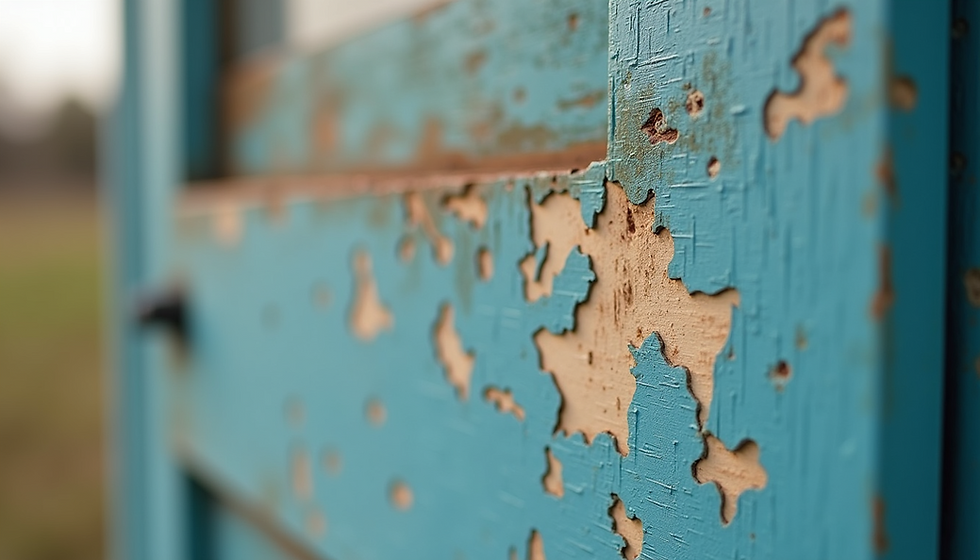
A common myth about limewash is that it will peel off after heavy exposure to moisture. However, a correctly applied limewash thrives in wet conditions. Problems like peeling often arise from poor application or subpar materials, rather than the inherent qualities of limewash itself.
“Limewash is Only for Dry Climates”
Conversely, some think limewash is best suited for dry climates due to its porous nature. In reality, its ability to manage moisture makes it ideal for humid or rainy regions, including the Midwest.
“All Limewash Products are the Same”
Limewash products vary significantly in quality and formulation. Not all limewashes perform equally, so selecting a high-quality product specifically formulated for your climate is crucial. This ensures better durability and performance.
Limewash vs. Other Materials: Making the Right Choice
When considering finishes for exterior walls, many homeowners weigh options beyond limewash, such as acrylic paints or synthetic finishes. Here’s how limewash stands out:
Longevity and Maintenance
Synthetic paints create a barrier against moisture but often trap humidity inside, leading to problems like mold. Limewash allows moisture to escape and requires regular maintenance but tends to last longer under the right conditions.
Aesthetic Versatility
Limewash offers an organic appearance that synthetic paints struggle to replicate. Its natural texture and color depth change beautifully with weather.
Environmental Impact
Eco-conscious homeowners will appreciate limewash's natural composition and minimal chemicals. It is safer for the environment and human health compared to synthetic alternatives.
Ultimately, your choice should depend on your home's needs, aesthetic preferences, and climate. Consulting with professionals familiar with both limewash and your local environment can guide you to the best option.
Final Thoughts
Limewash is an excellent choice for homeowners, particularly in regions with moisture, like the Midwest. Its breathability, aesthetic charm, and eco-friendliness make it a desirable option despite some common myths.
Understanding how limewash interacts with rain enables you to fully appreciate its benefits and nurture its longevity through proper care. When applied correctly, limewash becomes a striking and lasting feature of your home, highlighting its unique character and charm.
With the right approach, your limewashed surfaces will not only endure storms but also shine vibrantly after the rain.

As you consider limewash for your home, remember these insights. This natural finish offers both protection and beauty, ensuring your residence remains a welcoming sight, regardless of the weather. Investing in your home’s exterior allows you to enjoy its charm for years to come, rain or shine!


Comments