
Advanced Rotten Wood Repair: Structural vs. Cosmetic Fixes
When it comes to maintaining your home, few issues are as concerning as rotten wood. Whether it’s your windows, doors, or structural beams, wood rot can lead to significant problems if not addressed promptly. With about 80% of homes experiencing some form of wood rot at some point, understanding the difference between structural and cosmetic fixes is crucial for preserving your home's integrity and beauty.
In this blog post, we will explore how to recognize the signs of deep rot, assess the damage, and differentiate between minor cosmetic damage and major repairs. This distinction is vital not just for aesthetics but for the safety and longevity of your home.
Understanding Wood Rot
Wood rot occurs when wood is exposed to moisture over an extended period, leading to the growth of fungi. This can significantly weaken the material, making it crucial for homeowners to address rot as soon as they detect it.
There are two primary types of wood rot: dry rot and wet rot.
Dry Rot
Dry rot is caused by a specific type of fungus and can thrive in low moisture conditions. Despite its name, it requires moisture to develop and can spread quickly, often affecting up to 10 times more wood than initially visible.
Wet Rot
Wet rot is more common and occurs when wood is exposed to excessive moisture. It may start as a small area but can escalate dramatically if left untreated. In fact, untreated wet rot can compromise up to 25% of a wood structure's integrity in just a few months.
Recognizing these types of rot is the first step in addressing wood damage effectively.
Signs of Wood Rot
Identifying wood rot early can save you from extensive repairs later on. Here are some common signs to look out for:
Discoloration: Dark brown or black spots on the wood surface.
Softness: Compromised wood feels spongy or mushy when pressed.
Fungal Growth: Visible mold or fungus often indicates ongoing rot.
Cracking or Splitting: Cracks in the wood are often accompanied by a musty smell.
Frass: Sawdust-like material can indicate insect activity, often related to rotting wood.
If any of these signs are present, taking swift action is essential.
Assessing Damage: Cosmetic vs. Structural
Once wood rot is detected, it's time to assess the extent of the damage. This assessment will help determine whether the repair is cosmetic or structural.
Cosmetic Damage
Cosmetic damage typically involves minor issues that affect appearance rather than the structural integrity of your building. Common cosmetic problems include:
Peeling or Flaking Paint: Often caused by trapped moisture under the paint layer.
Surface Cracks: These cracks may not affect strength but can be unsightly.
Small Holes: Typically caused by insects or minor weathering.
While cosmetic damage can diminish your home's aesthetic appeal, it usually does not pose a significant risk to its stability.
Structural Damage
In contrast, structural damage poses a serious risk to your home. This type of damage often involves:
Sunk or Cracked Beams: This indicates severe internal rot that could compromise the structure's stability.
Widespread Rot: If more than 25% of a piece of wood is infested, replacement is often necessary.
Joint Failure: Loose or deteriorating joints may lead to sagging floors or doors that won't close properly.
Addressing structural damage promptly is essential to ensure the safety of your home.
The Repair Process
Cosmetic Repairs
For cosmetic repairs, several options can restore visual appeal without compromising the structural integrity of your home:
Sanding: Remove the damaged outer layer to bring back the wood's original appearance.
Filling: Use wood filler to patch small holes or cracks before painting.
Painting or Staining: A fresh coat of paint or stain can rejuvenate your wood surfaces after repairs.

These methods are budget-friendly and straightforward, especially if the damage is limited to the wood's surface.
Structural Repairs
If your damage assessment reveals serious structural issues, a more extensive repair process will be necessary:
Replacement: This involves removing and replacing severely damaged beams or sections of siding.
Reinforcement: Adding support beams can strengthen weakened structures.
Ventilation Improvement: Proper ventilation can reduce moisture build-up and prevent future wood rot.
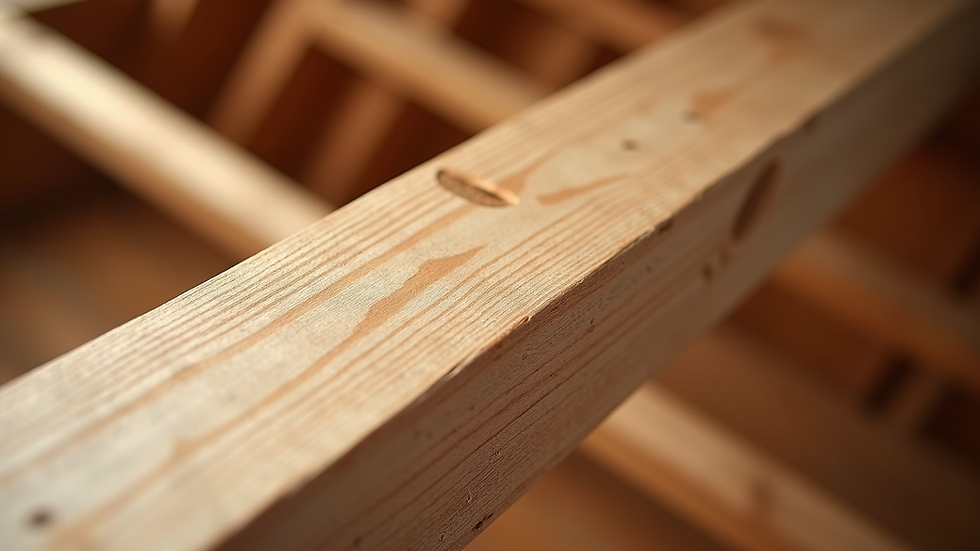
Structural repairs can be more costly and time-consuming, but they are crucial for safeguarding your home against future rot.
When to Call a Professional
While some homeowners may handle cosmetic repairs themselves, consulting a professional for significant structural repairs is wise. Experts can ensure that the work is done correctly and safely.
Professional assessments can provide insights into the extent of damage and potential underlying causes, such as moisture issues or poor construction practices. Moreover, skilled specialists can recommend preventative measures to keep your wooden features safe from future rot.
Preventive Measures
To minimize the risk of wood rot and keep your home secure, consider the following preventative strategies:
Regular Inspections: Routinely check for signs of rot, especially in hidden or damp areas.
Proper Drainage: Ensure that downspouts and gutters direct water away from your home's foundation.
Quality Paint or Sealants: High-quality exterior finishes can create a protective barrier against moisture.
Control Interior Humidity: Use dehumidifiers in moisture-prone areas like basements.

These steps can help you maintain your home's aesthetics and structural integrity, ultimately saving you time and money in the long run.
Protecting Your Home's Integrity
Understanding the distinctions between structural and cosmetic wood rot damage is essential for any homeowner. By recognizing the early signs of rot and knowing how to address the necessary repair processes, you can protect your home effectively.
Whether you’re aiming to restore the beauty of your abode or strengthen its structure, knowing when to hire professionals can make all the difference. Neglecting wood rot can lead to costly repairs down the line, so addressing these issues promptly is vital.
With regular maintenance, timely repairs, and preventive measures in place, you can ensure your wooden structures remain strong and appealing, allowing you to enjoy your home to its fullest.


Comments