
Replacing Rotten Wood: Recognizing the Signs and Finding the Right Solution
- Angel Sosa
- Mar 25, 2025
- 6 min read

1. Introduction: Why Rotten Wood Should Never Be Ignored
Rotten wood is more than just an eyesore — it’s a threat to your home’s structural integrity, safety, and value. Left unaddressed, it can lead to serious damage that spreads across your siding, fascia, soffits, window frames, decks, and more. Wood rot, often caused by moisture infiltration and poor sealing, begins quietly and can go unnoticed for years. But the longer it lingers, the more costly and invasive the repairs become.
For homeowners across Kansas City, Lee’s Summit, Overland Park, Gladstone, and North Kansas City, dealing with rotting wood is a common issue — especially in older homes or buildings that have been exposed to moisture without adequate protection. That’s where HGB Painting comes in. Our expert team doesn’t just cover up damage with paint; we properly inspect, remove, replace, and seal rotted wood to ensure your home stays protected and looks great for years to come.
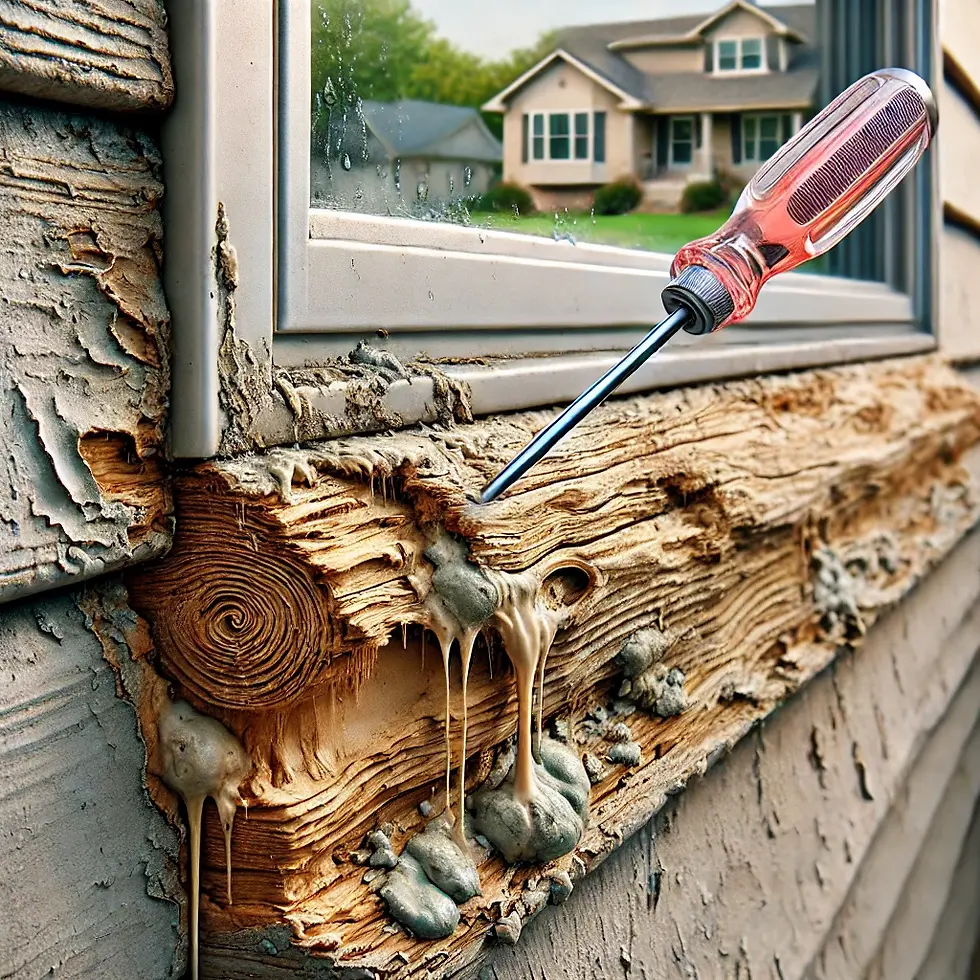
2. Spotting the Signs: How to Identify Rotten Wood Before It Spreads
Identifying rotten wood early can save you thousands of dollars in future repairs. However, wood rot often starts in places that aren’t immediately visible — beneath trim, behind paint, or under decks. Recognizing the early warning signs is essential.
Common Signs of Rotting Wood:
• Discoloration: Wood that appears darker, greenish, or stained often indicates moisture damage.
• Softness: Press a screwdriver into the wood. If it gives way or feels spongey, rot is likely present.
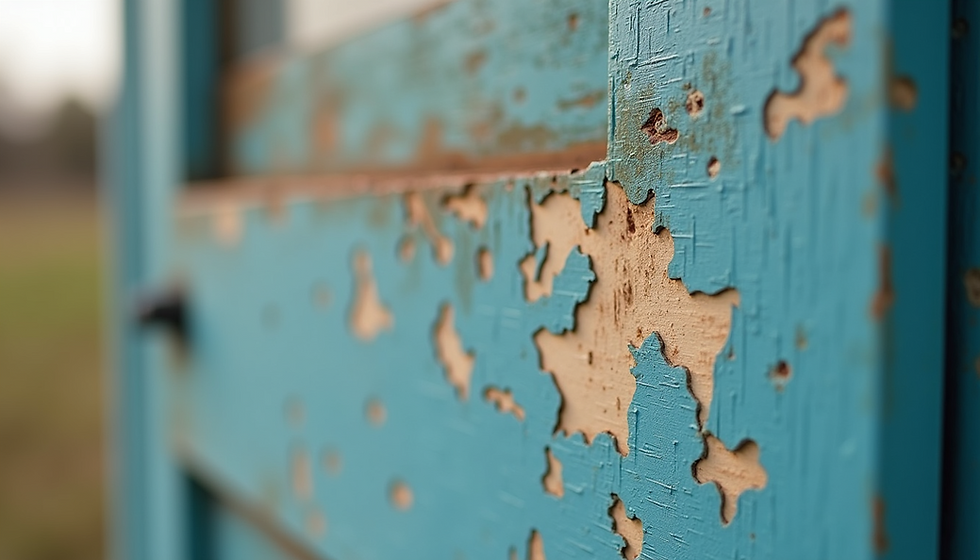
• Cracking or Flaking: Paint that bubbles, peels, or cracks can signal water infiltration underneath.
• Musty Odor: A damp, earthy smell is a classic sign of wood decay and fungal growth.
• Fungal Growth: White, gray, or black mold or mildew on wood may mean rot is spreading.
High-Risk Areas to Check:
• Exterior siding and trim
• Door and window frames
• Deck railings and posts
• Fascia boards and soffits
• Gutters and downspouts
At HGB Painting, we use professional tools and moisture meters to identify damage others might miss. In neighborhoods like Gladstone or North Kansas City, where seasonal weather causes significant expansion and contraction, early inspection is crucial.

3. The Right Way to Replace Rotted Wood: Step-by-Step Process
Replacing rotted wood is more than just pulling out the bad boards and plugging in a replacement. It involves precise removal, matching materials, structural integrity, and weatherproof sealing — all followed by a high-quality paint job to restore the home’s curb appeal.
Our Proven Process at HGB Painting:
1. Assessment & Identification:
• Thorough inspection of visible and hidden areas.
• Use of moisture meters and visual markers.
2. Cutting Out the Rot:
• Remove all rotted sections — no shortcuts.
• Check nearby wood for early-stage decay.
3. Material Matching:
• Replace with wood that matches the original in type and dimension.
• Use treated or rot-resistant lumber where needed.
4. Sealing & Priming:
• Apply high-grade wood preservative.
• Prime all exposed edges to prevent future water infiltration.
5. Painting & Finishing:
• Paint seamlessly with surrounding areas using high-quality exterior paints.
• Guarantee a finish that’s not only beautiful but built to last.
Whether you’re dealing with soffit repair in Overland Park or deck board replacement in Lee’s Summit, we tailor our repair strategy to your home’s unique structure and weather exposure.

4. Mistakes to Avoid When Dealing with Rotten Wood
DIYers and even some contractors often make critical mistakes when addressing wood rot — and these shortcuts can result in costly callbacks or further damage. At HGB Painting, we often correct issues caused by these avoidable errors.
Top Mistakes to Avoid:
• Only Covering It Up: Painting over rotten wood does nothing to stop the damage underneath. It hides it temporarily and lets it worsen.
• Not Removing All of the Rot: Leaving even a small portion of decayed wood behind means the problem will return, often spreading faster.
• Skipping Primer or Sealer: Bare wood is vulnerable to moisture. Unprimed cuts, even on treated wood, are entry points for water.
• Using Mismatched Materials: Substituting cheap or incompatible wood types can ruin your home’s structure and aesthetics.
• Ignoring Nearby Damage: Rot spreads. If one board is compromised, surrounding ones need inspection too.
Do It Right With These Best Practices:
• Use treated wood for replacements in moisture-prone areas.
• Prime and seal all edges and ends.
• Always inspect surrounding wood and flashing.
• Use caulk that’s paintable and weather-resistant.

5. Myths and Misunderstandings About Rotten Wood
There are many myths about wood rot, especially when it comes to how it spreads and how it should be repaired. Let’s clarify some common misconceptions we often hear from clients in the Kansas City metro area.
Myth #1: Rotten Wood Doesn’t Have to Be Replaced
Reality: Once rot sets in, the structural integrity of the wood is compromised. Simply drying it out won’t restore its strength. Full removal is the only safe option.
Myth #2: You Can Just Fill the Rot with Putty
Reality: Fillers are fine for tiny surface cracks, but they cannot restore the strength of a rotted beam, frame, or board.
Myth #3: All Rot Looks the Same
Reality: There are multiple types of wood rot — from soft rot and brown rot to the dreaded dry rot. Each behaves differently and requires specific repair approaches.
Myth #4: Treated Wood Never Rots
Reality: Treated wood resists rot longer, but it’s not immune — especially when cut or exposed to continuous moisture without sealing.
At HGB Painting, we educate homeowners on the difference between superficial wear and deep rot, helping them make informed decisions about what to repair, replace, or reinforce.
6. Case Study: Wood Rot Repair Success in Kansas City
To better illustrate our process and results, here’s a real-life example of how HGB Painting tackled a major wood rot issue for a client in North Kansas City.
Project Overview:
• Problem: Severe rot in window trim, soffits, and garage fascia after years of moisture exposure.
• Inspection: Moisture readings showed spread beyond visible damage. Underside of trim boards was soft and crumbling.
• Solution:
• Removed 40+ feet of trim and fascia.
• Replaced with primed pine and sealed cedar where appropriate.
• Caulked, sealed, and painted with Sherwin-Williams exterior-grade paint.
Result:
• Restored curb appeal and prevented future water infiltration.
• Seamless blend with original architecture.
• Client praised the craftsmanship and transparency throughout the process.

7. Preventing Wood Rot: Maintenance and Long-Term Tips
The best way to deal with wood rot? Prevent it from happening in the first place. Preventative maintenance goes a long way in protecting your home from moisture damage and premature wood failure.
Essential Maintenance Tips:
• Inspect Annually: Look for peeling paint, water stains, or soft spots.
• Clean Your Gutters: Overflowing gutters lead to moisture buildup around trim and siding.
• Re-Caulk Joints: Regularly check and reseal windows, doors, and expansion joints.
• Keep Landscaping in Check: Trim bushes and trees that trap moisture near your siding.
• Repaint Every 5–7 Years: A fresh coat of high-quality paint protects wood from the elements.
HGB Painting offers seasonal inspections and touch-up services throughout Kansas City and surrounding areas, helping homeowners stay ahead of wood rot before it starts.
8. Conclusion: Trust the Experts for a Long-Term Solution
Rotten wood isn’t just cosmetic — it’s a signal that your home needs attention. Whether you’re seeing early signs or already dealing with severe decay, don’t wait until the damage spreads. Professional inspection and repair can save you money, maintain your home’s value, and prevent further deterioration.
At HGB Painting, we combine deep knowledge of local climate conditions with decades of hands-on experience in wood replacement and painting services. Serving Kansas City, Lee’s Summit, Overland Park, Gladstone, and North Kansas City, we take pride in restoring homes with lasting craftsmanship and care.
Ready to repair, restore, and protect your home?
Contact HGB Painting today for expert wood replacement services and a flawless finish you can trust.
FAQs
Q: How can I tell if wood needs to be replaced?
A: If it’s soft, crumbling, discolored, or shows fungal growth, it’s likely compromised and should be replaced.
Q: What’s the best way to identify wood rot?
A: Use a screwdriver to test softness and look for signs like peeling paint, mold, and musty odors.
Q: How long does it take for wood to rot from water damage?
A: In as little as 1–3 months in the right conditions — faster in high humidity or with repeated exposure.
Q: Can I just paint over rotten wood?
A: No. Painting over rot traps moisture and allows decay to spread further.


Comments