
Limewash on Brick vs. Traditional Brick Paint
- Jul 6, 2025
- 5 min read
Are you thinking about enhancing your home's exterior but unsure whether to choose limewash or traditional brick paint? It's an important decision that can affect both the look and longevity of your brick surfaces. Each option presents its own set of benefits and drawbacks. This post will help you explore the distinctions between limewash and traditional brick paint, focusing on application methods, costs, looks, durability, and environmental impacts.
Understanding Limewash
Limewash is a classic building material that has been trusted for centuries. It is made from simple, natural ingredients: slaked lime, water, and pigments. This combination creates a breathable finish that allows moisture to escape from the brick while offering a distinctive appearance.
Application Process
The application of limewash is unique and requires attention to detail:
Preparation: Begin with a clean surface. Any dust, dirt, or loose materials must be removed, often with a pressure washer if the brick is heavily soiled.
Mixing: Combine limewash with water until the texture resembles that of pancake batter. You can add pigments at this stage to customize the color.
Application: Using a brush or roller, apply the limewash in thin, even layers. Aim for multiple coats, allowing for partial drying between applications for better adherence.
Curing: After the final coat, limewash needs to cure for several days. Curing times can vary based on factors like temperature and humidity. For instance, in warm and dry conditions, limewash may dry quicker, while high humidity could extend this period.
Final Look
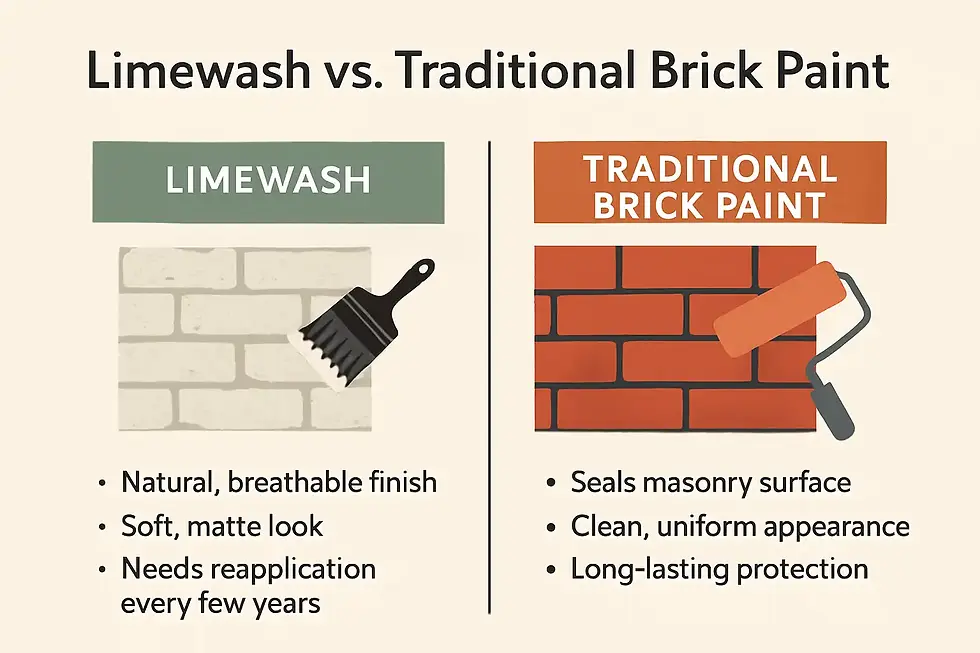
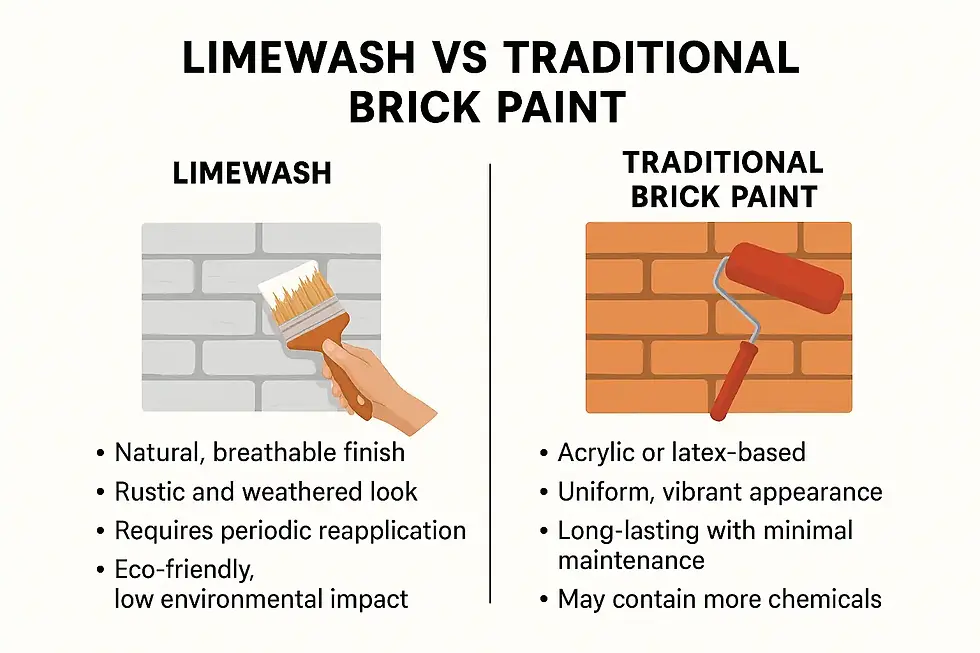
Limewash delivers a soft, matte finish that evolves beautifully as it ages. Its subtle textures and color variations create depth, making your brick stand out. Over time, limewash may develop a charming weathered appearance, adding character to your home.

Understanding Traditional Brick Paint
Contrarily, traditional brick paint consists of synthetic polymer or acrylic formulations created specifically for masonry surfaces. This type of paint provides a wide range of colors and finishes, giving homeowners many design choices.
Application Process
Applying traditional brick paint is generally more straightforward:
Preparation: Just like with limewash, clean the brick surface thoroughly, which may require scrubbing old paint or using a power washer.
Priming: Depending on your paint choice, you may need to apply a primer first to enhance adhesion and improve the paint's longevity.
Painting: You can use a brush, roller, or spray equipment for application. Applying two coats is recommended for an even finish.
Drying: Traditional paint usually dries faster, often within a few hours, allowing for quicker completion of the job.
Final Look
Traditional brick paint provides a more uniform and glossy appearance compared to limewash’s matte finish. With hundreds of colors available, homeowners can achieve vibrant, eye-catching aesthetics. However, this can sometimes result in a less natural look.
Comparing Costs
Understanding the costs associated with both limewash and traditional brick paint is essential for making an informed decision.
Limewash Costs
Material Costs: Limewash typically costs less per gallon than traditional paint. However, since it often needs multiple layers to achieve a rich finish, total material costs may rise. For example, a gallon of limewash might range from $30 to $50, but applying three coats would increase the total to around $90 to $150.
Labor Costs: The application process for limewash is labor-intensive. Hiring professionals could add significant costs, often between $500 to $1,500, depending on the size of the job.
Longevity and Maintenance: Limewash may need reapplication every 3 to 5 years due to UV exposure and weathering, impacting long-term costs.
Traditional Paint Costs
Material Costs: Traditional brick paint often costs more per gallon, ranging from $40 to $60. However, quick application can lead to lower total costs since fewer layers might be needed.
Labor Costs: The simplified application process makes hiring professionals cheaper, generally costing between $300 to $1,200.
Longevity and Maintenance: Traditional paint can last 5 to 10 years without needing frequent reapplication, making it a more durable option for many homeowners.
Durability and Longevity
The ability of limewash and traditional paint to withstand the elements plays a significant role in your choice.
Limewash Durability
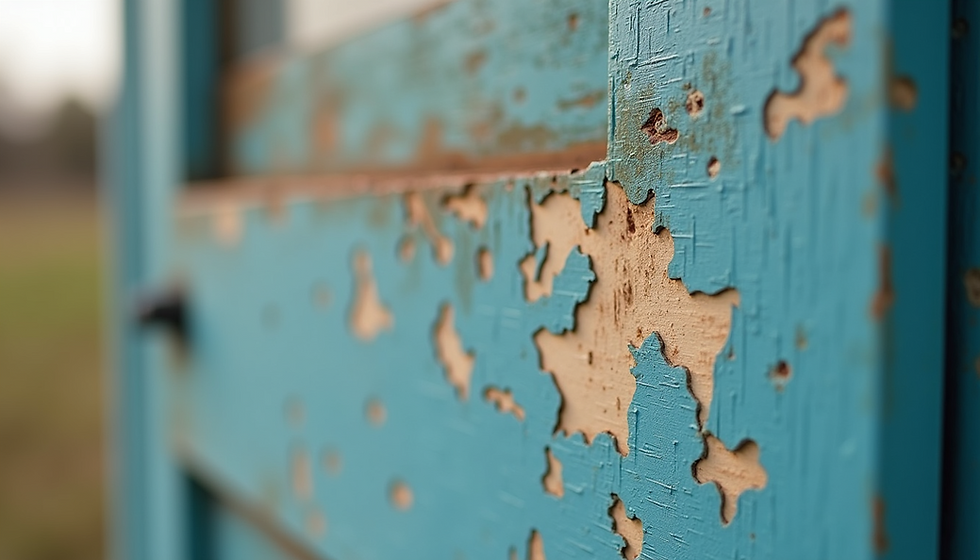
While limewash is very breathable, it is less resistant to extreme weather. In areas with heavy rain, limewash might chip or wash away faster. Nevertheless, some homeowners appreciate this, as it adds a rustic, weathered look to their homes.
Traditional Paint Durability
Traditional paint is formulated to resist harsh weather conditions, providing better protection against moisture. It generally lasts longer and retains its appearance well, making it a solid choice for homeowners seeking durability and vibrancy.
Environmental Considerations
When selecting between limewash and traditional paint, environmental impacts are worth considering.
Limewash's Eco-Friendliness
Limewash has an edge in eco-friendliness as it is made from natural ingredients. Its breathability also helps prevent mold growth on brick surfaces, promoting healthier indoor air quality.
Traditional Paint’s Environmental Impact
Traditional paint often contains synthetic materials and VOCs (volatile organic compounds) that can negatively affect air quality during application. While low-VOC options are available, they may not be as eco-friendly as limewash.
Aesthetic Appeal
Aesthetic preference often plays a crucial role in your decision.
Limewash Aesthetics
The beauty of limewash lies in its natural, textured look. The soft color variations and matte finish evoke timeless elegance, perfectly complementing traditional home styles.
Traditional Paint Aesthetics
Traditional paint provides a clean and uniform aesthetic with an extensive color palette. This versatility allows for striking design choices; however, the uniformity can sometimes appear less organic.
Finding the Best Fit for Your Home
After considering all these factors, determining whether to go with limewash or traditional brick paint hinges on your personal preferences.
When to Choose Limewash
If you desire a natural, rustic look for your brick.
If environmental friendliness and traditional building methods are important to you.
If you're okay with the idea of reapplying the finish every few years.
When to Choose Traditional Paint
If you are looking for a broad spectrum of colors and a polished finish.
If long-lasting and low-maintenance solutions are on your radar.
If your home is located in an area with challenging weather conditions that could impact your finish.
Making an Informed Decision
Both limewash and traditional brick paint come with their strengths and weaknesses. Limewash offers a rich, historical aesthetic along with eco-benefits, while traditional paint delivers longevity and vibrant color options.
Assessing your priorities, budget, and maintenance expectations will help guide your choice. No matter what option you settle on, ensure that you prepare and apply the chosen finish properly to protect your investment. Your brick surfaces deserve to shine, elevating your home's exterior for years to come.
Whether you lean towards the timeless allure of limewash or the durable vibrancy of traditional paint, understanding these differences will empower you to make the best decision for your home.


Comments