
Kitchen Cabinet Painting: Avoiding Common Mistakes for a Flawless Finish
- Angel Sosa
- Jun 30, 2025
- 4 min read

Painting your kitchen cabinets can be an exciting yet daunting task. A fresh coat of paint can transform tired cabinets into vibrant focal points that enhance the entire kitchen's appearance. However, without proper preparation and technique, cabinet painting can quickly go south. In this post, we’ll explore the common pitfalls that can ruin your cabinet painting project and offer insights on how to achieve a flawless finish.
Understanding the Importance of Preparation
Preparation is the key to any successful painting project, especially when it comes to kitchen cabinets. Skipping important steps or rushing through the process can lead to disastrous results. Consider this your guide to avoiding mistakes that can waste time and money.
The first step is to clean your cabinets thoroughly. Grease and grime accumulate over time, which can prevent paint from adhering properly. Use a degreaser and a clean cloth to wipe down each surface before you even think about painting.
Next, inspect your cabinets for any damage. Dents, scratches, or holes should be filled in with wood filler. This creates a smooth surface for painting and ensures your finish looks professional.
The Sanding Dilemma
One of the most critical steps in cabinet painting is sanding. Many homeowners make the mistake of overlooking this step, thinking it is unnecessary. However, proper sanding not only helps the paint adhere better but also ensures a smoother final appearance.
Mistake: Skipping or Inadequate Sanding
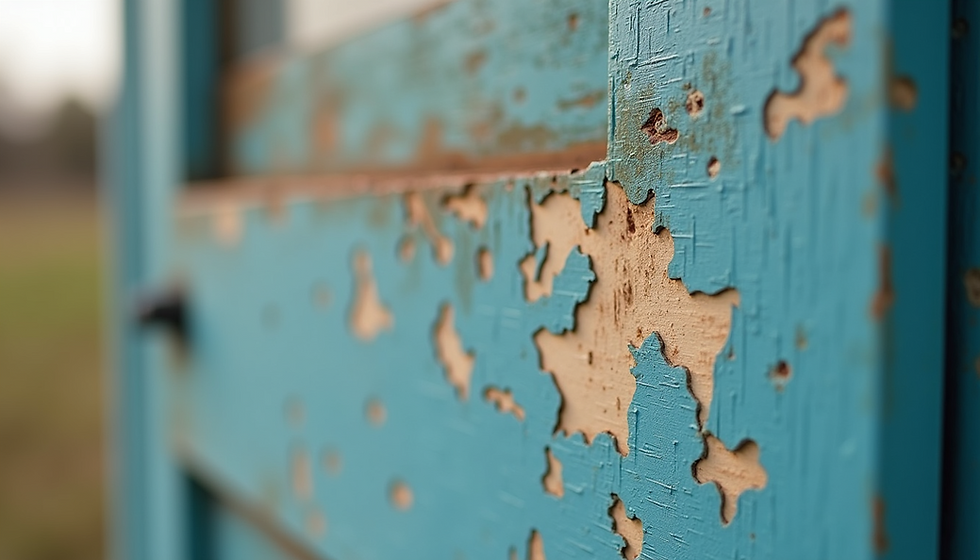
Failing to sand can lead to chipping and peeling paint down the line. When sanding, use a fine-grit sandpaper and focus on key areas where the finish has worn down.
Tip: You don’t need to strip the old finish completely; a light scuffing will usually suffice.

Choosing the Right Primer
Using primer is another area where mistakes frequently occur. Some homeowners view primer as optional or make the mistake of using the wrong type.
Mistake: Neglecting Primer or Using the Wrong Type
Primer is essential as it helps the paint adhere better while providing a barrier against stains and old finishes. Always opt for a high-quality primer suitable for the material of your cabinets.
Tip: If your cabinets are made of wood, use an oil-based primer for the best results. For laminate surfaces, a bonding primer will work wonders.
Paint Selection Matters
Selecting the right paint can dramatically affect the quality of the finish. Many homeowners either choose the wrong type of paint or underestimate the importance of the finish.
Mistake: Using Generic Paint Types
Avoid using standard wall paint for cabinetry. Instead, go for high-quality, durable paint designed specifically for cabinets. These usually offer better adhesion and are more resistant to chipping and scratches.
Tip: Look for paints labeled as “kitchen and bath” or “cabinet-grade” to ensure durability in high-traffic areas.
The Role of Technique
Beyond preparation and materials, your painting technique plays a vital role in achieving that perfect finish.
Mistake: Improper Application Techniques
Using the wrong application tools can lead to unsightly brush marks or uneven surfaces. Many people make the mistake of using traditional paintbrushes, which can leave streaks. Instead, consider using a foam roller or a high-density brush to apply your paint evenly.
Tip: For the smoothest finish, try spraying your cabinets instead of brushing or rolling, though ensure you have the right setup to prevent overspray.

Understanding Drying Times
It’s tempting to rush the drying process to get to the final coat, but this can lead to mistakes.
Mistake: Rushing Drying Times
Failing to allow adequate drying time can cause the paint to remain tacky, mixing with subsequent layers or dust particles. Follow the manufacturer’s recommendations for drying times, and avoid applying a second coat until the first is completely dry.
Tip: If you're working in a humid environment, allow for additional drying time to achieve a perfect finish.
Final Touches and Cleanup
Once your cabinets are painted, don't forget to take care of the finishing touches.
Mistake: Skipping Final Inspection
Before reinstalling your cabinet doors, conduct a thorough inspection. Look for drips, uneven areas, or spots you may have missed. These minor issues can stand out once everything is back in place.
Tip: If you find any imperfections, address them before final assembly. Touch-up paint is also often a lifesaver at this stage.
The Importance of Hardware Updates
While your focus may be primarily on painting, upgrading the hardware can dramatically enhance the overall look of your cabinets.
Mistake: Inconsistent Hardware Choices
Using old or mismatched hardware can undermine the beautiful finish you've created on your cabinets. Investing in stylish, new hardware can help unify your design and make your kitchen feel cohesive.
Choosing the Right Hardware Finish
Make sure that your new cabinet handles or knobs complement the color of your paint. For example, if you've opted for a lighter cabinet color, brass or matte black hardware may stand out beautifully.

Conclusion
Painting your kitchen cabinets does not have to be an overwhelming task. By avoiding these common mistakes—such as inadequate preparation, poor sanding, and the oversight of using primer—you can achieve a flawless finish that revitalizes your kitchen space. Remember that the key to a successful project lies in taking your time, investing in quality products, and being mindful of your techniques.
If all of this seems daunting, remember that professional help is also available. When done correctly, cabinet painting can yield beautiful, long-lasting results that uplift your entire kitchen’s aesthetic. Embrace the challenge, and enjoy the transformation!
Let us know your thoughts and share your cabinet painting experiences in the comments below!


Comments