
Exterior Painting Prep: Setting the Stage for a Long-Lasting Finish
- Angel Sosa
- Mar 1, 2025
- 13 min read

1. Introduction
Preparing your home’s exterior for painting is one of the most crucial steps in achieving a long-lasting exterior paint finish. Whether you’re in bustling Kansas City, the suburban neighborhoods of Lee’s Summit, the thriving community of Overland Park, charming Gladstone, or vibrant North Kansas City, exterior painting requires more than just adding a new coat of color. Proper surface cleaning, scraping away old or loose paint, sanding for better adhesion, and applying the right primer all contribute to the end result. These techniques form the foundation of any professional exterior painting services that aim to protect your home from weather extremes and enhance its curb appeal.
Undertaking an exterior painting project involves much more than cosmetic improvement; it’s also about extending the life of the siding, trim, and other external structures. At HGB Painting, we have learned through years of experience that thorough preparation not only results in a visually appealing finish but also keeps your home safe from moisture intrusion, mold, and premature paint failure. By ensuring each phase of prep is done correctly—like washing the walls to remove debris or sanding glossy surfaces to enhance primer adhesion—you can set the stage for a durable, weather-resistant paint job.
It’s easy to assume that painting can begin as soon as you have chosen your preferred paint color. However, rushing into painting without meticulous prep can lead to premature peeling, cracking, or fading. For homeowners in various parts of Kansas City, including Gladstone and North Kansas City, the seasonal weather transitions demand that surfaces be meticulously prepared to ensure paint longevity. Our team at HGB Painting stresses that exterior painting prep in Kansas City is not just about aesthetics; it’s about making a sound investment that will last for years.
If you’re wondering whether a quick pressure wash or light scraping is sufficient, or if you really need to sand or prime, the short answer is that comprehensive prep is non-negotiable for high-quality results. Each surface is different—some areas may need mild washing, while others might demand significant scraping and spot-priming. By customizing your approach to each surface condition, you enhance paint adhesion and overall durability.
This blog post will guide you through the key steps of exterior painting preparation, offering insider tips from HGB Painting. We’ll show you how to handle cleaning, scraping, sanding, and priming effectively, and we’ll explain how these steps tie together to protect your home’s exterior. You’ll discover that each stage, no matter how small, contributes significantly to the overall success of the project.

2. Importance of Cleaning and Surface Preparation
A clean surface ensures that paint adheres effectively. Dirt, mold, mildew, and chalky residue can prevent proper adhesion, resulting in uneven finishes and premature paint failure. The first step is typically washing the exterior walls—often via pressure washing. This method helps remove accumulated grime that’s stubbornly stuck to the siding or trim. In regions like Overland Park, where humidity can contribute to faster mold or mildew growth, pressure washing becomes even more essential to reduce any risk of paint flaking in the future.
Contrary to some misconceptions, it’s not always enough to rinse the house with a garden hose. Pressure washing is especially effective for dislodging contaminants that settle into textured surfaces or crevices. It’s also important to consider the weather when scheduling this step. If possible, avoid washing the exterior right before a sudden temperature drop or impending rainstorm. Wet surfaces require adequate drying time—often 24 to 48 hours—before moving on to the next steps like scraping or sanding. Skipping the waiting period can trap moisture under the new paint layer and eventually lead to peeling.
Depending on the home’s exterior material, such as wood, brick, or stucco, different cleaning approaches might be recommended. Brick, for instance, often benefits from a specialized cleaning solution to break down years of built-up residue, while wood and stucco might require a gentler technique to avoid damaging the substrate. HGB Painting has developed specialized cleaning protocols tailored for the varying architectural styles found around Kansas City, Lee’s Summit, and Gladstone to ensure safe yet thorough surface cleaning.
Aside from pressure washing, some surfaces may demand a light detergent solution or a specialized mildew cleaner. This is especially true in shaded areas prone to algae or mold. Thoroughly cleaning these areas helps prevent future issues like peeling, bubbling, or mold growth beneath the new paint film. Remember, ignoring these steps can cost you more in the long run. Sometimes the work might require more than one cleaning pass, especially in heavily stained areas. The goal is to achieve as clean and residue-free a surface as possible before applying primer or paint.
Lastly, let the surface dry completely. Patience here pays off immensely. Allowing adequate dry time helps ensure that the subsequent steps—particularly scraping or sanding—are more effective. After cleaning, it’s easier to spot sections where paint has begun to loosen or chip away. Addressing these areas right after cleaning is the best way to ensure the paint job stands up to the changing seasons typical of Missouri’s climate.

3. Scraping and Removing Old Paint
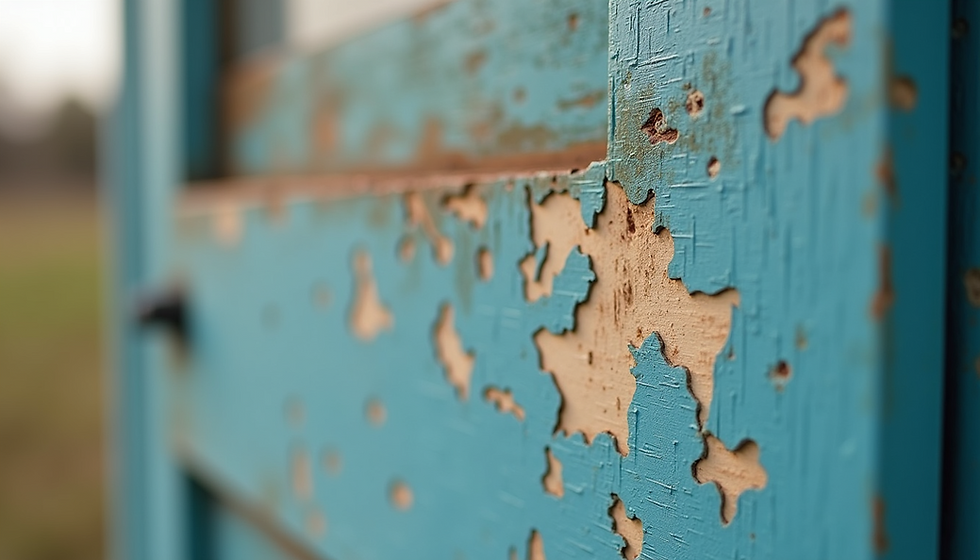
Removing flaking or peeling paint is vital for a stable painting surface. If old paint layers are cracking or peeling off in sheets, simply painting over them will not solve underlying adhesion problems. In the neighborhoods around Kansas City and North Kansas City, homes often endure freezing winters and hot summers that cause repeated paint expansion and contraction. Over time, older paint layers can lose elasticity. Scraping helps remove those compromised layers, preventing any future bubble or peel.
Tools for scraping can vary from a simple putty knife to specialized carbide scrapers. The choice depends on how extensive the peeling is and the texture of the surface. For instance, wood siding might require a more delicate approach to avoid gouging the wood grain, whereas harder materials can withstand more aggressive scraping methods. At HGB Painting, we evaluate each surface individually—sometimes combining scraping with sanding to achieve the smoothest possible result.
In some cases, homeowners wonder if they can skip scraping altogether. However, painting over compromised paint rarely ends well. Even if the paint appears firmly attached in certain spots, leaving behind unstable sections can cause new paint to peel within months. Additionally, older homes in areas like Lee’s Summit or Overland Park may have multiple layers of paint from previous renovations, increasing the chance of hidden adhesion issues. By systematically scraping away what’s loose, you significantly reduce the risk of premature paint failure.
Safety is another consideration, especially in older homes that might contain lead-based paint. In such scenarios, professional painters follow specific guidelines to minimize lead exposure. Specialized tools and protective gear ensure that both workers and residents remain safe. HGB Painting is well-versed in these procedures, ensuring compliance with local regulations while maintaining efficiency.
After scraping, you may notice that some sections have become noticeably bare or uneven. These areas might require extra steps like spot-priming before you move on to the next phase of sanding. Keep in mind that the more thorough your scraping is, the fewer headaches you’ll face later. This dedication to detail will help the new paint layer bond more securely, ensuring a finish that looks great and stands the test of time.

4. Sanding for Smoothness and Better Paint Adhesion
Once loose paint and other surface imperfections are removed, sanding sets the stage for optimal adhesion. A freshly sanded surface not only allows primer and paint to grip effectively but also ensures a uniform finish. Especially around Kansas City, where weather can fluctuate dramatically, sanding evens out transitions between old and new paint layers, reducing the potential for paint to lift during the next season’s temperature swings.
Different grit sandpapers serve different purposes. Coarse grits (like 60-80) can remove stubborn paint edges or rough patches quickly, while medium to fine grits (100-150+) refine the surface for priming. For broader surfaces—such as large wood sidings—you might use a power sander, but for intricate details like trim or decorative woodwork, hand sanding ensures precision. The type of material (wood, stucco, or brick) also dictates the sanding approach, though stucco and brick often require more specialized techniques rather than conventional sanding.
Sanding also addresses gloss. Paint that still retains a shiny or glossy finish can repel new layers, causing adhesion problems. Lightly sanding these shiny areas “scuffs” them, providing tooth for the next coat. Homeowners in Lee’s Summit or Overland Park who are updating from older glossy paint often find that a thorough sanding step significantly lengthens the lifespan of the new paint job. HGB Painting professionals often see that skipping this step results in paint chipping away sooner than expected.
As with scraping, personal protective equipment (PPE) is essential during sanding, particularly when dealing with potential lead-based paint on older homes. Dust masks, goggles, and drop cloths help contain the mess and protect both workers and homeowners. Many professionals also use vacuum attachments on their sanders to reduce airborne particles, keeping the workspace cleaner and safer.
Finally, wipe down surfaces after sanding to remove dust. Some professionals use tack cloths, while others may opt for damp rags, depending on the type of siding and the extent of the dust. This cleanup step is crucial because even a thin layer of sanding dust can interfere with primer adhesion. Ensuring a clean surface post-sanding sets the tone for the primer to bond securely, ultimately enhancing the paint’s durability.

5. Priming: The Secret Weapon for Paint Longevity
Primer is more than just a preparatory coat; it forms a vital bridge between the surface and the paint. Especially in areas with variable weather conditions, like Kansas City, Overland Park, or Gladstone, a proper primer can make the difference between paint lasting a few years and paint remaining vibrant for a decade. Primers seal the substrate, block stains, and offer a uniform base color that helps paint adhere more effectively. Skipping primer often leads to issues like discoloration, chalking, or peeling, especially on surfaces that were heavily scraped or sanded.
Different surfaces call for different types of primers. Wood exteriors, for instance, benefit from oil-based or latex primers designed to seal porous grain. Brick and masonry might require a specialized masonry primer that blocks efflorescence (white, chalky residue). HGB Painting typically evaluates each project to match the primer type with the siding material and local climate conditions. The presence of stains, such as water marks or tannin bleed from cedar or redwood, can also influence which primer is best.
Spot-priming is another method used if only certain areas of the home’s exterior are bare. For example, after scraping and sanding, some patches might show raw wood. Applying a dedicated primer to these patches before a full coat can save time and materials. However, for the most uniform and reliable result, many professionals recommend priming the entire surface whenever possible. This ensures that the topcoat will look and perform consistently across the whole exterior.
For homes that have multiple layers of old paint, or for surfaces that have not been painted in many years, a high-bond primer is a lifesaver. High-bond primers ensure that the new paint anchors itself more securely, helping to extend the life of the paint job even under harsh seasonal changes. This is particularly relevant in North Kansas City, where winter freeze-thaw cycles can wreak havoc on exterior paint layers.
Allowing adequate curing time for the primer is just as important as the primer choice itself. Typically, primers require a few hours to dry, though factors like temperature and humidity levels can extend or shorten that window. Always follow manufacturer guidelines to prevent trapping moisture or incomplete adhesion. By dedicating ample time and attention to priming, you fortify your home’s exterior against flaking and fading, ensuring a truly long-lasting exterior paint finish.

6. Timing and Weather Considerations
Choosing the right time to paint in Kansas City or neighboring areas like Lee’s Summit and Overland Park is pivotal for a successful exterior paint job. While modern paints are formulated to dry faster and withstand some temperature extremes, certain conditions remain less than ideal. Painting during high humidity or extreme temperatures can undermine the drying process, leading to surface imperfections like cracking or uneven sheen. Moreover, applying paint too close to incoming rain spells can wash away fresh layers or interfere with adhesion.
Generally, mild temperatures between 50°F and 85°F are considered the sweet spot for exterior painting. This range allows paint to dry and cure at a steady rate, preventing some of the common pitfalls associated with temperature fluctuations. However, if you’re in areas like Gladstone or North Kansas City, where weather can be somewhat unpredictable, it’s wise to keep a close eye on the forecast before starting. Always allow ample drying time between coats, particularly if you’ve pressure washed the exterior. Residual moisture trapped under the paint can cause peeling or bubbling down the line.
In terms of scheduling, many homeowners in the Kansas City region prefer spring or early fall when temperatures are moderate. Summer can be too hot, causing paint to dry too quickly on the surface but remain soft underneath, which can lead to cracks later. Winter painting, while possible with specialized low-temperature formulations, can be trickier due to cold snaps and shorter daylight hours. The environment in Overland Park, with its moderate springs and falls, is often ideal for painting, but always plan for at least a few days of stable weather to complete the task.
The time of day also matters. Early mornings can be humid, especially after overnight dew, while late afternoon painting might not allow sufficient daylight for drying. HGB Painting recommends starting mid-morning after any dew has evaporated and finishing early enough to let the paint set before evening moisture returns. Adequate planning ensures each coat has the best chance to cure, leading to an enduring finish capable of withstanding Kansas City’s weather challenges.

7. How HGB Painting Ensures Quality and Durability
At HGB Painting, we recognize that every home in Kansas City, Lee’s Summit, Overland Park, Gladstone, or North Kansas City has its unique demands. Our approach is meticulous from the moment we arrive for a consultation. We evaluate the home’s architectural features, identify potential problem areas like rot or mildew, and determine whether the existing paint is stable enough to be repainted. Each step in our exterior painting prep in Kansas City method is customized to deliver the best possible results for every client.
Comprehensive Inspection: Before any work begins, our experts thoroughly examine your home’s exterior. This inspection includes checking for wood rot, loose or cracked siding, and areas prone to moisture accumulation. By catching these issues early, we address them prior to painting, ensuring the new finish isn’t compromised by existing damage.
Tailored Cleaning Methods: From pressure washing to specialized cleaning solutions, we match the cleaning technique to your home’s material and condition. Some homes in older Kansas City neighborhoods require gentle approaches, while others can benefit from robust power washing to remove decades of accumulated grime.
Detailed Surface Prep: Scraping, sanding, and spot-priming are carried out systematically. We use the highest-quality tools and materials, ensuring paint adheres seamlessly. For instance, if we find that some areas have multiple coats of aging paint, we know from experience that additional scraping or sanding is often critical. Spot-priming follows to prepare any bare surfaces.
Use of Premium Primers and Paints: From specialized primers that block stains to advanced paint formulations designed for extreme weather tolerance, we invest in quality products. This approach, combined with proper application techniques, results in a paint job that resists cracking, fading, and peeling.
Final Inspection and Touch-Ups: Once painting is complete, we walk through the property to ensure every inch meets our high standards. If any area needs a minor touch-up or additional coat, we handle it immediately. We consider the job finished only when we are confident that the homeowner will enjoy a long-lasting exterior paint finish.
We stand by our work not just because we take pride in craftsmanship, but also because a well-prepared and expertly painted home can stand up to Kansas City’s diverse climate. We’ve built a reputation as professional exterior painting services providers who are transparent, efficient, and committed to delivering top-notch results.

8. Conclusion
Exterior painting prep is more than a chore—it’s a wise investment in your home’s longevity and value. Proper washing, scraping, sanding, and priming aren’t merely optional extras but essential steps that safeguard your paint job against peeling, fading, and other forms of premature failure. Whether you reside in Kansas City, Lee’s Summit, Overland Park, Gladstone, or North Kansas City, prioritizing each stage of preparation ensures that your home can withstand the local climate’s challenges while maintaining its curb appeal for years to come.
By understanding the intricacies of surface cleaning, the necessity of scraping away compromised paint, and the benefits of thorough sanding and proper priming, you’re equipping your home to handle everything from harsh winters to scorching summers. HGB Painting takes these prep steps seriously, ensuring that each project we undertake embodies excellence and durability. For homeowners looking to refresh or completely transform their home’s exterior, a solid foundation built on meticulous prep work is key to achieving a long-lasting exterior paint finish.
If you’re ready to protect and beautify your property with an exterior paint job that truly stands the test of time, consider contacting HGB Painting. Our local expertise, combined with a time-tested process, can guide you toward the best decisions for your home’s unique needs. Remember, the quality of your exterior paint job hinges significantly on how well the surface is prepared. Invest now in proper prep, and reap the rewards of a stunning, durable result for years.

FAQ
1. How does proper washing impact the longevity of exterior paint?
Thoroughly cleaning the exterior before painting removes dirt, mildew, and loose contaminants, helping new paint bond better. Skipping or rushing this step can lead to uneven adhesion, making the paint prone to peeling and fading over time.
2. Why is scraping off old, loose paint necessary?
Loose or peeling paint creates an unstable surface that new paint can’t adhere to properly. Scraping ensures you’re painting on a solid base, significantly reducing future peeling or cracking.
3. Do I need to sand the entire exterior or just rough areas?
While you should focus on rough or glossy areas to enhance paint adhesion, a light sanding across broader surfaces can unify the texture and help ensure consistent paint coverage.
4. How soon can I paint after pressure washing?
Generally, it’s best to wait at least 24 to 48 hours for surfaces to dry thoroughly, especially in humid regions. Trapped moisture can cause bubbling and peeling in the new paint layer.
5. What is the benefit of using a primer?
Primer seals the substrate, blocks stains, and provides a uniform base for paint to adhere. It’s especially crucial for surfaces that are heavily scraped or have never been painted before.
6. Is there an ideal season for exterior painting in the Kansas City area?
Mild temperatures in spring or early fall are often best. Extreme heat or cold can impact paint drying times and overall adhesion. Always monitor the forecast to avoid rain or abrupt temperature changes.
7. How long can a well-prepared exterior paint job last?
With proper prep and high-quality materials, a professionally painted exterior in Kansas City can last 7-10 years or more. Routine maintenance, such as touch-ups and periodic cleaning, can extend that lifespan.
8. Why choose HGB Painting for my exterior project?
HGB Painting offers comprehensive inspection, tailored cleaning methods, expert scraping and sanding, premium primers, and final inspections. Our meticulous attention to detail has made us leaders in the Kansas City area for professional exterior painting services that last.
Thank you for reading this comprehensive guide on how to achieve a durable exterior paint finish through meticulous preparation. By following these best practices—or by hiring professionals like HGB Painting—you’re investing in a stunning, long-lasting result that will make your home stand out in the neighborhoods of Kansas City, Lee’s Summit, Overland Park, Gladstone, and North Kansas City for many years to come.


Comments