
Exterior Painting in Cold Weather: Can It Be Done?
- Jun 30, 2025
- 4 min read
Winter in Kansas City can be quite cold, posing unique challenges for homeowners who wish to refresh their exteriors with a new coat of paint. You might be asking yourself, “Can I really paint in this bitter cold?” The answer is yes! However, implementing specific tips and best practices is essential to ensure that the paint adheres well and lasts longer. In this guide, we will discuss effective strategies that can help you successfully tackle exterior painting in chilly weather.
Understanding the Challenges of Cold Weather Painting
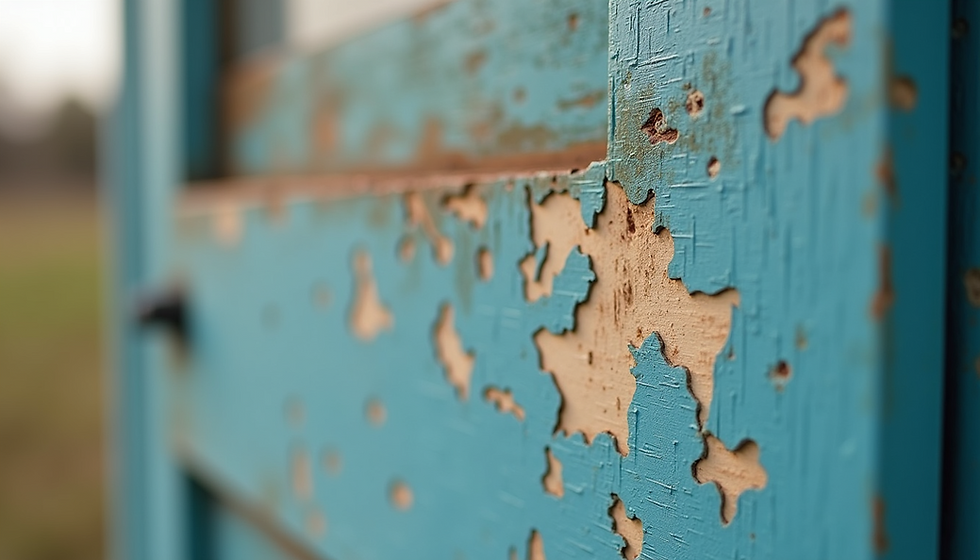
Painting in cold conditions presents several obstacles. A primary concern is that paint does not stick well in low temperatures. Most paint needs a certain level of warmth to cure effectively. For instance, when the temperature falls below 50°F, the solvents in the paint struggle to evaporate, leading to reduced adhesion, dull finishes, and quicker peeling.
Cold weather often accompanies high humidity, which complicates the drying process even further. Recognizing these challenges is the first step to your exterior painting success during winter.

Ideal Temperature for Painting
Typically, paint manufacturers recommend painting when temperatures range from 50°F to 85°F. While there are cold-weather paints available, they only withstand low temperatures up to a certain point. For example, some brands offer cold-weather formulations that work in temperatures as low as 35°F. Always check the specific product data sheet for the optimal temperature range before starting your project. In Kansas City, where it can drop well below freezing, selecting the right paint is crucial.
Tips for Choosing the Right Paint
Select Cold-Weather Paints: Not all paints work well in cold temperatures. Look for those specifically designed for cold applications. For example, Sherwin-Williams and Benjamin Moore offer paints formulated for low-temperature settings, ensuring quicker drying and better adherence in colder weather.
Consider Quick-Drying Formulations: Paints designed for quick drying can be especially helpful when working in chilly conditions, as they help reduce the time the surface is exposed to cold.
Choose Water-Based Paints: Water-based paints usually perform better than oil-based ones in cold climates. They are more flexible regarding temperature and humidity, decreasing the chances of cracking and peeling. For instance, a water-based exterior paint may retain its clarity and adhesion in cold weather, whereas oil-based options struggle.
Preparing for Cold Weather Painting
Preparation is essential to ensure a successful paint job in cold weather. Here are some important steps to follow:
Clean Your Surfaces
Before applying any paint, it is vital to clean your surfaces thoroughly. Remove dirt, mildew, and grease since these can compromise paint adherence. Use a mixture of warm water and mild detergent to scrub surfaces. In Kansas City’s damp winter, you might want to use a power washer to ensure surfaces are entirely clean.
Use Heat Sources
If you are determined to paint during winter, consider utilizing temporary heat sources like propane heaters. These can maintain a suitable working temperature, especially while applying the paint. For example, using a portable heater can effectively increase the temperature in a small corner of your house.
Work in Sunlight
Plan your project for areas that get direct sunlight. Sunlight can warm surfaces, making them a better choice for painting. This will help the paint dry quicker, providing a smoother finish.
Utilize Windbreaks
Wind can increase the cold and impact both comfort and drying times. Set up windbreaks with tarps or other materials to create a sheltered painting area. A simple tarp setup can reduce wind chill by up to 5°F, aiding in optimal drying conditions.
Timing Your Project
When painting in cold temperatures, timing is crucial.
Early Mornings vs. Late Afternoons
Start painting late in the morning when temperatures have peaked. This timing allows you to take advantage of the warmest part of the day. Avoid late afternoons when temperatures tend to drop back down again.
Monitor Weather Conditions
Pick days with consistent mild temperatures—ideally above 35°F. Try to plan for at least 24 hours of dry, mild weather for optimal results. For example, track forecasts that display temperatures gradually rising through the day.

Best Practices for Application
Proper application techniques are vital when working in cooler conditions. Here are key practices to follow:
Apply Thin Coats
When it’s cold, apply thinner coats of paint. Thinner layers dry faster and help avoid adhesion problems. Ensure the first coat dries completely before applying a second. This helps maintain a high-quality finish.
Mind the Humidity
High humidity can delay the drying process significantly. For instance, with humidity levels above 70%, paint can take additional hours or even days to dry. Always check local humidity reports and plan your painting days carefully.
Keep Equipment Warm
Store your paints and tools in a warm area before use. Cold paint can complicate application and adhesion. Keeping your materials at room temperature enhances their performance.
Enhancing Durability
After your paint job is done, consider these additional steps to prolong its life:
Allow for Adequate Curing Time
Even if the paint appears dry to the touch, allow for extra curing time. Because cold slows down curing, surfaces might not be ready for contact right away. Inform family members to avoid touching or leaning against freshly painted surfaces for at least 48 hours.
Regular Maintenance
Once your exterior painting project is complete, regularly inspect surfaces for wear or damage. This proactive approach can prevent larger issues over time, especially in Kansas City's harsh winters.
Debunking Common Myths
Several myths exist regarding winter painting. Here are a couple you should know:
Myth 1: You Can’t Paint Below 50°F
This is misleading. Although 50°F is the ideal range for most paints, some specialized products can be applied at lower temperatures. For example, brands like Behr offer paints that can be successfully applied when the temperature dips as low as 35°F.
Myth 2: Only Professionals Can Handle Cold Weather Painting
With the right preparations and knowledge, many homeowners can successfully manage cold-weather painting tasks. Just follow the best practices in preparation, application, and material management.
Wrapping Up
Painting your home exterior in the cold temperatures of Kansas City can be a manageable task. By understanding the challenges that low temperatures and high humidity present and following the best practices outlined here, you can achieve a great finish that will last. Remember to choose appropriate supplies, prepare thoroughly, and take your time during the application process. With a little planning and the right strategies, your home can shine bright and look like new—even in winter.



Comments