
Brick Painting FAQ: Answers to Your Most Asked Questions
- Angel Sosa
- Jul 6, 2025
- 4 min read

Are you looking to refresh your home or outdoor space? Painting brick can make a noticeable difference, adding charm and value. However, with this transformation come questions and concerns. Whether you’re a DIY enthusiast or planning to hire experts, knowing the details of brick painting is crucial. Below, we answer some of the most frequently asked questions to guide you through the process.
What Type of Paint Should I Use on Brick?
Choosing the right paint for brick is essential. Opt for paints designed specifically for masonry. These paints allow moisture to escape and help protect the underlying brick.
A high-quality acrylic latex paint is recommended for its excellent adhesion to porous surfaces like brick. This type of paint not only resists fading but is also less likely to crack or peel. For example, using a quality brand can increase durability by up to 30% compared to cheaper alternatives.

How Long Does Painted Brick Last?
The lifespan of painted brick varies based on several factors, including paint quality, surface preparation, and the local climate. On average, a well-painted brick wall can last from 5 to 10 years before needing touch-ups or a full repaint.
For instance, a homeowner in New York reported that their exterior painted brick maintained its look for about eight years before needing any maintenance. To extend the life of your paint job, ensure you use quality products and prepare the surface correctly.
Can I Paint Over Existing Paint on Brick?
Yes, you can paint over existing paint on brick, but preparation is crucial. Start by cleaning the surface using a pressure washer to eliminate dirt and debris.
If the existing paint is peeling, scrape it away to create a smooth surface. For the best results, apply a primer meant for masonry surfaces before layering your new paint. For instance, a report from a homeowner showed that after proper preparation, their new paint adhered better and lasted longer than previous attempts without scraping.
What Preparation is Needed Before Painting Brick?
Proper preparation is key for a lasting finish. Begin by cleaning the bricks thoroughly to remove dust, mildew, and other debris. If a pressure washer isn't available, a stiff brush combined with water and mild detergent works too.
Inspect for any damage like cracks or loose bricks, and fix these issues beforehand. Lastly, apply a quality primer designed for brick. This step can increase paint adhesion and longevity significantly.

How Do I Handle Peeling Paint?
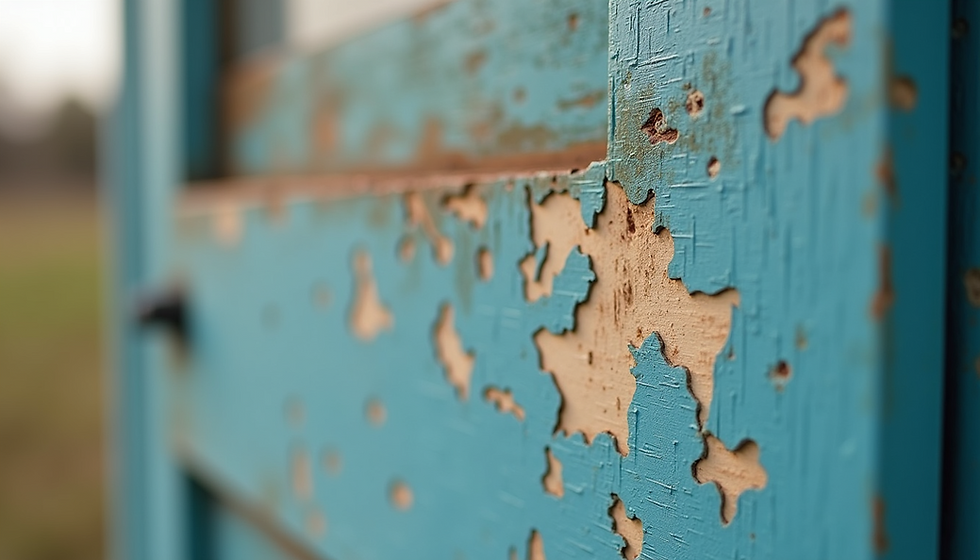
Peeling paint is no reason to despair. First, identify the cause—often, it's due to inadequate preparation or moisture buildup.
Scrape off the loose paint using a scraper or wire brush. Clean the affected area and allow it to dry completely. If necessary, address any moisture problems before repainting. Applying a primer and then a high-quality masonry paint will help your new finish last longer.
Is It Necessary to Seal Painted Brick?
The necessity of sealing painted brick is often debated. However, sealing can offer additional protection against moisture, dirt, and UV rays, ultimately extending the life of your paint job.
If your brick is in a high-traffic area or exposed to the elements, consider sealing it. Choose a sealing product that allows the brick to breathe while providing waterproofing—this balance enhances durability.
How Can I Achieve a Smooth Finish When Painting?
Getting a smooth finish requires the right tools and methods. Follow these tips for best results:
Use Quality Tools: Invest in brushes or rollers specifically made for masonry.
Apply Thin Coats: Instead of one thick layer, apply multiple thin layers for better adherence and a sleek finish.
Brush Technique: When using a brush, paint in line with the brick texture using steady strokes. This method ensures even coverage.
Rollers for Large Areas: Use a roller for expansive regions and a brush for corners and detailed work.
What is the Best Weather to Paint Brick?
Weather impacts painting efficiency. The optimal temperature range is between 50°F and 90°F (10°C - 32°C) on dry days.
Avoid days with high humidity or when rain is expected within 24 hours. Extremely cold conditions can hinder paint adhesion, leading to poor results.

Can I Use Regular Exterior Paint for Brick?
Using standard exterior paint on brick is possible, but not advisable. Regular paints may lack the adhesion and breathability that brick surfaces require.
Masonry-specific paints are designed for durability and will provide better long-term results, often enhancing the finish's lifespan by 20% or more.
What Should I Do if I Don't Like the Color After Painting?
If you are unhappy with your painted brick color, there's no need to worry.
You can either repaint with a new color after proper preparation or use a paint stripping solution to remove the current paint. This method allows you to restore the brick’s natural color or start fresh with a desired hue.
Are There Eco-Friendly Options for Brick Painting?
Yes, eco-friendly paints are widely available! These paints have lower levels of volatile organic compounds (VOCs), making them a more environmentally friendly choice.
When selecting an eco-friendly option, look for low-VOC or no-VOC labels. These paints achieve beautiful finishes while minimizing your environmental impact, showing a dedication to sustainability.
How Can I Increase the Lifespan of Painted Brick?
To enhance the longevity of your painted brick, regular maintenance is vital. Here are a few tips:
Cleaning: Periodically wash with mild detergent to keep brick clear of grime and mildew.
Inspection: Regularly check for peeling paint, cracks, or moisture buildup.
Repairing: Address any issues immediately to prevent further damage.
Repainting: Aim to repaint every 5 to 10 years depending on wear to keep your brick vibrant.
Transforming Your Brick with Paint
Painting brick can significantly enhance your property’s appearance, but it requires careful planning. From choosing the right type of paint to ensuring thorough preparation, understanding the process is crucial. By following the answers and recommendations provided in this FAQ, you will make informed decisions that lead to stunning, long-lasting results.
Whether you’re tackling this project alone or hiring professionals, being equipped with knowledge will help you achieve the vibrant finish you desire. Happy painting!


Comments