
Brick Painting Basics: Is Painting Over Brick a Good Idea?
- Angel Sosa
- Mar 8, 2025
- 12 min read

Brick Painting Basics: Is Painting Over Brick a Good Idea?
Painting a brick surface can dramatically transform the appearance of your home or commercial space. Whether you’re seeking a modern aesthetic or hoping to protect your exterior from the elements, paint has the power to refresh, revitalize, and safeguard. However, making the decision to paint over brick involves considering various factors, such as the condition of the brick, the local climate, and the type of paint you choose. In bustling areas like Kansas City, Lee’s Summit, Overland Park, Gladstone, and North Kansas City—where homeowners and business owners often desire a contemporary look—painting brick has become a popular option.
This blog post offers a comprehensive deep dive into painting brick surfaces, highlighting the pros and cons, the importance of proper preparation, the best paint types, and more. We’ll also discuss how HGB Painting, a leading painting service in Kansas City, can guide you through the entire process for superior and long-lasting results.
Remember, the key to success lies not just in picking the right color or brand of paint but also in ensuring that each step—from preparation to maintenance—is carried out with precision. Let’s explore how to achieve a flawless finish that breathes new life into your brick surfaces, all while preserving their structural integrity.

1. Pros and Cons of Painting Brick Surfaces
Pros of Painting Brick
• Instant Modernization: Painting brick surfaces Kansas City homeowners often look for can dramatically modernize the style of older homes. Traditional red or tan brick can appear dated; a sleek coat of paint in neutral or bold shades immediately updates the façade, making it more appealing.
• Extended Protection: High-quality paints form a protective barrier against harsh weather conditions. This is especially crucial in the Midwest, where seasonal weather can fluctuate between hot, humid summers and cold, snowy winters. Properly sealed and painted brick can guard against moisture, mildew, and minor damage.
• Endless Color Options: Natural brick is limited to earthy tones like red, orange, or brown. Painting allows you to explore an infinite palette—anything from airy whites to dramatic grays. You can tailor the shade to complement your home’s architectural style, landscaping, or neighborhood ambiance.
• Enhanced Resale Value: A well-executed painting job can boost curb appeal and may positively impact property value. Potential buyers often appreciate the fresh, contemporary look, especially in urban areas like Overland Park or North Kansas City, where modern aesthetics are in demand.
• Unified Exterior: If your brick is patched, uneven, or features different hues, paint can unify the overall appearance. It masks imperfections and provides a smooth, consistent finish that complements your home’s design elements like trim, windows, and roofing.
Cons of Painting Brick
• Ongoing Maintenance: Painted brick needs periodic upkeep. Over time, exposure to sun, wind, and rain will cause the paint to fade, peel, or chip. Regular cleaning and occasional repainting or touch-ups are necessary to keep it looking pristine.
• Permanent Change: Once you paint over brick, reverting to the original material is extremely challenging and often expensive. Sandblasting or paint strippers can be time-consuming, costly, and potentially damaging to the brick.
• Potential Moisture Traps: When brick is not properly sealed or if moisture infiltrates the masonry before painting, it can become trapped beneath the paint layer. This can lead to peeling, cracking, or even more serious structural issues if left unchecked.
• Breathability Concerns: Brick, by nature, is a porous and breathable material. Applying certain types of paint can compromise the brick’s ability to release trapped moisture, increasing the risk of mold or mildew buildup.
HGB Painting understands these pros and cons deeply. Our professional brick painting services ensure proper surface preparation, paint selection, and application methods that minimize risks while highlighting all the advantages of a freshly painted brick façade.

2. Preparing Brick Surfaces for Painting
A well-prepared surface is the foundation of any successful paint job. Brick is no exception. Proper preparation ensures the paint adheres well and lasts for years without peeling or cracking. Below is a step-by-step breakdown of what professional painters, such as HGB Painting, typically do when preparing brick for paint:
1. Inspection and Assessment:
• Before any cleaning or painting begins, professionals examine the brick for existing paint, cracks, discoloration, or signs of water damage. If the brick is severely compromised, repairs or replacements may be needed before proceeding.
• This thorough evaluation helps in identifying potential pitfalls, like crumbling mortar or loose bricks, which could affect paint adherence.
2. Surface Cleaning:
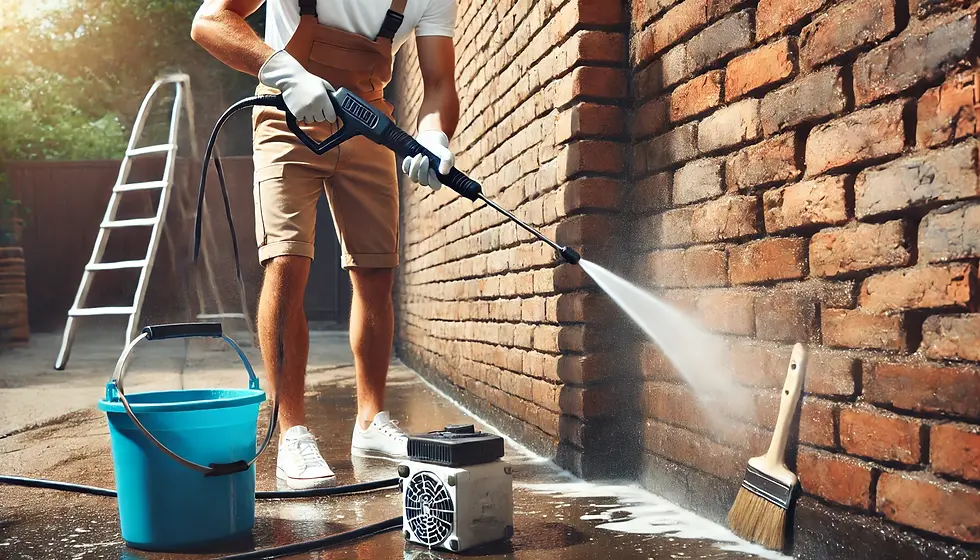
• One of the most crucial steps is removing dirt, mildew, and efflorescence (that white salt-like powder often found on older bricks).
• Methods vary: gentle power washing might work for robust exterior brick, while more delicate surfaces may require manual scrubbing with a soft brush and eco-friendly detergents.
3. Allowing the Brick to Dry:
• Brick can absorb substantial amounts of water. If you’ve used a power washer or heavy-duty cleaning solutions, you must allow the brick ample time to fully dry before applying primer or paint.
• Moisture trapped inside the brick can cause paint to bubble or peel prematurely, especially in humid regions like Lee’s Summit.
4. Repairing and Sealing:
• Any cracks in the mortar or damaged bricks need to be repaired. Using a high-quality masonry sealant or mortar repair compound ensures a smooth surface and prevents water infiltration.
• Gaps or holes in mortar lines can severely affect paint adherence, so addressing these issues upfront is essential.
5. Priming the Surface:
• Once repairs are complete and the surface is dry, a specialized masonry primer is applied. Primer prepares the brick for optimal paint adherence, creating a uniform surface and sealing pores.
• This step also provides an extra layer of protection against moisture, which is vital in areas like Overland Park and Gladstone, where humidity levels can fluctuate.
By diligently following these preparation steps, you significantly increase the likelihood of a successful, long-lasting paint job. Neglecting even one of these tasks can lead to subpar results, costing you more time and money down the road.
3. Choosing the Right Paint for Brick Surfaces
Selecting the correct paint type is just as crucial as preparing the surface. Not all paints are suitable for the unique characteristics of brick, which is why consulting professional brick painting services like HGB Painting can make a significant difference. The goal is to find a product that offers durability, breathability, and aesthetic appeal.
Mineral-Based Paints
• Breathability: Mineral paints are highly breathable, allowing moisture within the brick to evaporate. This reduces the risk of flaking and peeling.
• Longevity: These paints can chemically bond with masonry surfaces, making them exceptionally long-lasting.
• Natural Look: Mineral-based paints typically offer a more natural, matte finish, making them ideal for homeowners who want a rustic or traditional look.
Acrylic Latex Paints
• Versatility: Acrylic latex is one of the most common choices for exterior brick surfaces due to its easy application and resistance to peeling.
• Wide Color Selection: You’ll find acrylic latex paints in virtually every color imaginable, from crisp whites to deep charcoals.
• Water Resistance: Many acrylic latex paints are designed with moisture resistance in mind, perfect for Kansas City weather extremes.
Limewash or Whitewash
• Subtle, Natural Finish: Limewash and whitewash maintain some of the brick’s texture and character, allowing variations in tone to show through.
• Breathable Coating: These options are also breathable, reducing the risk of trapped moisture.
• Rustic Charm: Ideal for those who want a farmhouse or European-inspired aesthetic. They are less about opaque coverage and more about enhancing brick’s natural beauty.
Elastomeric Paints
• Flexibility: Elastomeric paints have a rubber-like quality, making them excellent for bridging cracks and preventing water intrusion.
• High Coverage: These paints are thick and can effectively conceal minor surface imperfections.
• Caution with Trapped Moisture: While elastomeric paints are great at water-proofing, they can also trap moisture if the brick is not fully sealed or dried beforehand.
Choosing the right paint often comes down to your specific needs—do you prioritize breathability, durability, or aesthetic appeal? HGB Painting assesses the condition of your brick, local climate factors, and your design goals to recommend the best product for a successful outcome.

4. Best Colors to Paint Brick for a Modern Look
Selecting the right color can be the most exciting part of a brick painting project. Colors not only influence the overall look of your home but also affect mood, style, and even perceived property value. In the Kansas City region—including Lee’s Summit, Overland Park, Gladstone, and North Kansas City—certain color palettes have gained prominence for their ability to blend with local architectural styles and seasonal hues.
1. Timeless Whites and Off-Whites:
• Bright, Clean Finish: White immediately imparts a crisp, fresh appearance, making homes look larger and more inviting.
• Versatile Backdrop: A neutral white allows you to experiment with bolder accent colors on doors, shutters, or trim.
• Popularity: White remains one of the most sought-after exterior colors because it suits a wide range of home designs, from colonial to contemporary.
2. Sophisticated Grays and Charcoal Tones:
• Modern Elegance: Gray hues exude a sense of sophistication and can transition effortlessly between modern and classic architectural styles.
• Depth and Contrast: Pairing a lighter gray with darker trim (or vice versa) creates a visually engaging contrast.
• Minimal Maintenance Appearance: Minor dirt or dust is less visible on gray surfaces compared to white, making it a practical choice.
3. Rustic and Muted Pastels:
• Subtle Charm: For homeowners who prefer a softer aesthetic, muted pastels like light blue, sage green, or pale yellow can gently modernize a brick surface without losing its charm.
• Harmonious with Landscaping: These softer shades often integrate beautifully with surrounding greenery, gardens, and natural elements.
4. Bold and Dramatic Tones:
• Impactful Statements: Deep colors like navy, forest green, or even black can create an undeniably striking exterior, turning heads in your neighborhood.
• Architectural Highlights: Darker shades accentuate architectural features, adding depth and dimension to your home’s silhouette.
• Maintenance Considerations: Dark hues can show dust, dirt, and chalking more readily, so you may need more frequent cleaning.
5. Coordinating with Neighborhood Aesthetics:
• Match Surroundings: Take note of prevailing color schemes in your neighborhood. While you want to stand out, it’s also advisable to blend harmoniously with the overall community vibe.
• Local Climate Effects: In sunnier climates, lighter colors can help deflect heat, whereas cooler regions can handle darker tones.
HGB Painting provides comprehensive color consultation, guiding you through the selection process to find a shade that not only complements your personal style but also enhances your home’s architectural features. Our expertise ensures that your newly painted brick harmonizes with the local Kansas City neighborhoods and seasons.

5. Maintaining Painted Brick: How to Prolong Its Lifespan
After investing time, effort, and resources into painting your brick, proper maintenance is essential to ensure it remains vibrant and intact for years to come. Painted brick, especially on exteriors, faces constant exposure to weather variations, pollutants, and physical wear and tear. Here are strategies to keep it looking as good as new:
1. Regular Inspection
• Catch Issues Early: At least once every season, walk around your property to look for signs of peeling paint, cracks in the mortar, or water intrusion. Early detection of minor issues can prevent extensive (and costly) damage later.
• Focus on Vulnerable Areas: Pay special attention to areas near gutters, downspouts, and the foundation where water can accumulate and compromise the paint.
2. Routine Cleaning
• Gentle Methods: Use a garden hose or a soft brush with mild detergent to remove dirt, dust, and algae. Overly harsh scrubbing or high-pressure washing can damage the paint.
• Avoid Chemical Overload: Steer clear of strong solvents or bleach-based cleaners, as these can degrade the paint, especially if you’ve used a breathable or mineral-based finish.
3. Touch-Up and Repainting
• Address Chips and Flaking: Small areas of chipped or flaking paint should be sanded down and repainted promptly to prevent moisture infiltration.
• Reapplication Timeline: Depending on your chosen paint type and the local climate, your brick may need a fresh coat every 5-10 years. Acrylic latex paints usually last longer, while limewash may need more frequent refreshing.
4. Sealing and Waterproofing
• Extra Layer of Protection: Applying a clear masonry sealer can offer additional defense against moisture, though it must be compatible with your paint.
• Improved Durability: Sealers also protect against mold, mildew, and UV rays, making them especially valuable for homes in humid or sunny locales.
5. Professional Maintenance Checkups
• Expert Assessment: Scheduling periodic checkups with a professional service like HGB Painting ensures any underlying issues—like hairline cracks or moisture buildup—are addressed before they become bigger problems.
• Customized Solutions: Pros can provide tailored advice specific to your paint type, home structure, and local environmental conditions.
By implementing these maintenance steps, you can prolong the life of your painted brick substantially, enjoying the aesthetic and protective benefits for years. HGB Painting stands ready to assist you with regular assessments, ensuring your home continues to look immaculate and remains safeguarded against the harshest weather conditions.

6. Additional Tips for Successful Brick Painting Projects
While proper preparation, paint choice, and maintenance form the foundation of a successful brick painting project, several nuanced considerations can further enhance your results. Here’s a closer look at additional tips that homeowners in Kansas City, Lee’s Summit, Overland Park, Gladstone, and North Kansas City find invaluable:
1. Mind the Weather
• Optimal Conditions: Choose a period with moderate temperatures and low humidity for painting. Extreme heat can make the paint dry too quickly, while cold or damp conditions compromise adhesion.
• Seasonal Planning: In the Midwest, spring and early fall are often ideal for exterior projects. Winter and peak-summer conditions can be less predictable or too extreme.
2. Invest in Quality Brushes and Rollers
• Consistent Coverage: Quality painting tools distribute paint evenly, helping you achieve a more professional look with fewer strokes.
• Proper Roller Nap: For brick textures, a roller with a heavier nap penetrates mortar lines and crevices more effectively than a thin nap.
3. Layering and Drying
• Multiple Coats: Often, you’ll need at least two coats of paint for complete and even coverage on brick. Allow the first coat to dry thoroughly before applying the second.
• Thorough Dry Times: Rushing through coats can lead to uneven texture and compromised adhesion, reducing the lifespan of the paint job.
4. Watch for Efflorescence
• What Is It? Efflorescence is a chalky, white deposit of salts often visible on older or moist brick.
• Prevent Recurrence: If not properly removed and sealed, it can reappear underneath the paint. Regular checks and immediate cleaning are crucial.
5. Consider Professional Expertise
• Safety Measures: Exterior painting may require ladders or scaffolding. Hiring licensed professionals ensures the job is done safely and efficiently.
• Warranty and Insurance: Reputable contractors like HGB Painting provide warranties on their work, giving you peace of mind that any issues will be promptly resolved.
By adhering to these extra guidelines, you’ll be better positioned to enjoy a stunning, durable, and hassle-free painted brick surface. Remember, small details—like waiting for optimal weather or selecting the right roller—can differentiate a mediocre job from a masterpiece that stands the test of time.
7. Conclusion: Trust HGB Painting for Your Brick Painting Needs
Painting brick surfaces can offer a dramatic transformation, refreshing both the look and feel of your home. From choosing the right paint to maintaining the final finish, every detail matters in ensuring a lasting result. By understanding the pros and cons, dedicating time to surface preparation, selecting the most suitable paint, and following a careful maintenance routine, you can protect your brick against weather extremes while enhancing the value and charm of your property.
Residents across Kansas City, Lee’s Summit, Overland Park, Gladstone, and North Kansas City have discovered that painted brick can breathe fresh life into traditional exteriors and interiors. Yet, embarking on a brick painting project demands expert care and knowledge to avoid pitfalls such as moisture buildup or peeling paint.
This is where HGB Painting steps in. Our years of experience and comprehensive approach set us apart in the realm of professional brick painting services. We pride ourselves on using premium materials, precise techniques, and thorough project management to guarantee outstanding results. By entrusting your brick painting project to HGB Painting, you ensure a smooth experience, top-quality workmanship, and an end product that reflects your vision and style.
If you’re considering painting your brick surfaces for a fresh aesthetic or improved protection, contact HGB Painting for a personalized consultation. Our skilled team will guide you through every phase—from selecting the perfect shade and paint type to ensuring lasting durability. Experience the difference that professional expertise can make in transforming your brick into a focal point of beauty and practicality.

FAQs: Everything You Need to Know About Painting Brick
Does painting brick really protect it from the elements?
Absolutely. High-quality paints and proper primers act as a protective shield, reducing moisture ingress and guarding against UV damage—factors crucial for properties in regions like Kansas City.
How do I deal with already painted brick that’s peeling?
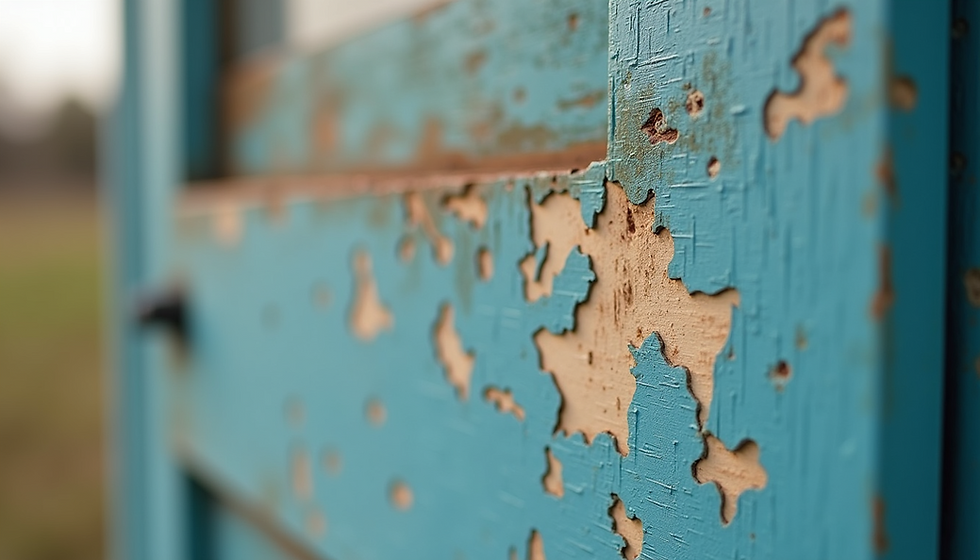
Start by removing loose paint with a wire brush or scraper, then wash the surface. Once it’s dry, you can prime and repaint. For best results, consult professionals like HGB Painting.
What’s the best color choice if I have a red brick home and want a neutral look?
Consider whites, off-whites, or light grays, which neutralize the warmth of red brick and deliver a modern, timeless appeal.
Will painting brick decrease my property value?
Generally, a well-executed paint job can boost curb appeal and potentially increase property value. However, personal tastes vary, so it’s vital to choose colors and finishes that align with local trends and architecture.
Do I need to seal brick after painting?
Many professionals recommend applying a clear sealant for added protection. However, ensure the sealant you choose is compatible with your paint type to maintain breathability.
Are there alternatives to painting brick if I’m unsure?
Yes, limewash or whitewash provide a less permanent option. These allow some of the brick’s natural texture and color to show through, offering a rustic yet refreshed look.
Is moisture a big concern for painted brick?
It can be if the brick isn’t thoroughly cleaned, dried, and primed before painting. Proper application techniques and breathable paints help mitigate moisture issues.
How often should I repaint my brick?
Depending on the paint type (acrylic latex, mineral-based, etc.) and weather exposure, you might need to repaint every 5-10 years. Regular maintenance extends the time between repaints.
Can I DIY a brick painting project?
While possible, DIY projects can be time-consuming and risky without the right tools and expertise—especially if your property is multi-storied or requires special prep work. Professionals like HGB Painting ensure quality, safety, and an enduring finish.
What’s the first step if I want to explore painting my brick surfaces?
Start with an on-site consultation. Reach out to HGB Painting, and we’ll assess your brick’s condition, recommend the best products, and provide a detailed quote


Comments